Cart
0
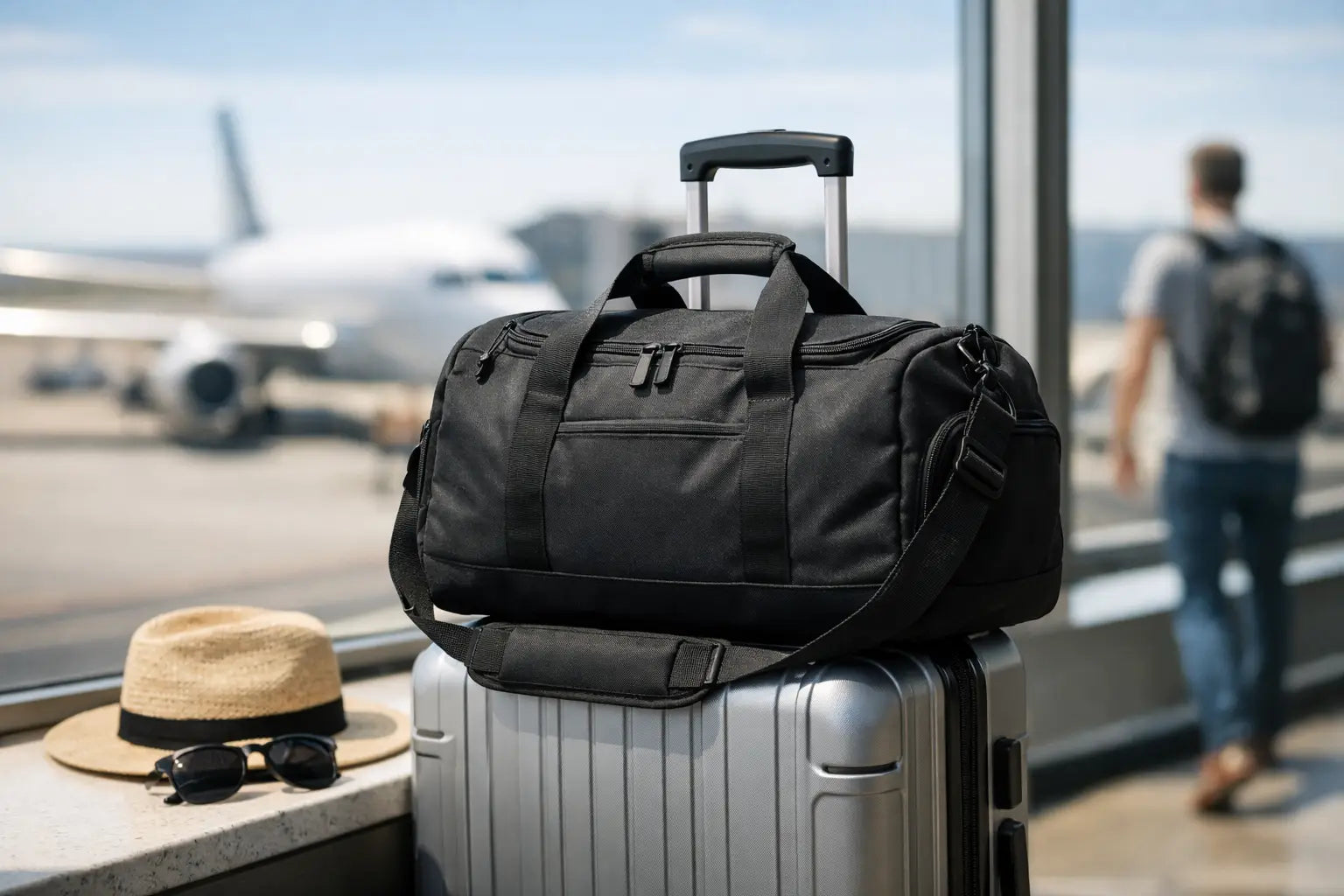
A travel duffel for carry on should make the airport feel less like a logistical exercise and more like the start of your next good plan. The right piece holds a weekend wardrobe, keeps essentials within reach, and still looks considered beside a tailored coat or relaxed airport set. It is not simply a soft bag with handles. It is a polished travel essential designed to move with you.
For a quick overnight flight, a two-day city escape, or a work trip with dinner plans built in, a duffel can offer more flexibility than a rigid suitcase. The key is choosing one with enough structure to stay refined, enough room to be useful, and proportions that work with the airline you are flying.
Start With Carry-On Size, Not Capacity
The most beautiful duffel is not the right travel companion if it does not fit in the overhead bin or under the seat when needed. Airlines do not share one universal carry-on allowance, and smaller regional aircraft can be especially strict. Before you shop, check the dimensions and weight rules for the airline on your itinerary, including connecting flights.
A travel duffel for carry on generally works best when it has a compact, horizontal profile. Soft-sided construction gives you a little flexibility when an overhead compartment is tight, but it should not be treated as permission to overpack. An overfilled duffel loses its silhouette, strains its zipper, and can become difficult to place under a seat.
Think about the role the bag will play. If it is your only carry-on for a two- or three-night stay, prioritize a larger cabin-friendly design with a defined base. If you will also bring a rolling suitcase, a smaller duffel can serve as your personal item, carrying your laptop, valuables, beauty essentials, and one change of clothes.
Choose Structure That Keeps Its Shape
A duffel should feel relaxed, not floppy. The difference matters once you are moving through a terminal, stepping into a hotel lobby, or setting the bag beside a conference table. A structured base, reinforced sides, and quality top handles help a travel bag look composed even after a full day in transit.
Soft leather-look finishes and elevated woven materials bring a more fashion-forward presence than sporty gym-bag construction. They also make the duffel easier to style across a full itinerary. A refined black, warm taupe, rich espresso, or understated neutral can move from an early flight to an evening reservation without asking you to change the visual tone of your outfit.
There is a trade-off. Very rigid bags can limit what you can fit, while very soft bags can sag and bury small items. The ideal middle ground has a stable bottom, a wide opening, and flexible upper panels. It should hold its form on the floor while adapting to a blazer, sneakers, and a compact toiletry bag inside.
Details That Signal Better Design
Hardware and finishing are not minor considerations. Smooth zippers, clean stitching, comfortable handles, and a lining that does not snag your belongings all affect how a bag performs over time. A detachable shoulder strap is equally valuable, especially when you are juggling a coffee, boarding pass, or phone.
Look for a strap that is adjustable and wide enough to sit comfortably on the shoulder. For frequent travelers, a luggage sleeve can also be a smart addition, allowing the duffel to sit securely on top of a rolling suitcase rather than sliding off as you cross the terminal.
Organize for the Journey, Not Just the Destination
A thoughtful duffel is not about bringing more. It is about reaching what you need without unpacking your entire bag at the gate. A wide zip opening creates better visibility than a narrow, tunnel-like top, while interior pockets prevent smaller essentials from disappearing into the bottom corners.
Keep your passport, wallet, charging cable, headphones, and travel documents in an easy-access pocket. Your liquids bag should be close to the top, particularly if you expect to go through a standard security checkpoint. A separate compartment for shoes, gym gear, or worn clothing is useful on short trips, although it does take away from the main packing area.
For the interior, packing cubes can make a duffel feel remarkably orderly. Use one for clothing, one for undergarments and sleepwear, and a smaller pouch for accessories. This approach preserves space while making it easier to transition from travel mode to hotel mode without turning the room into a packing floor.
Do not overlook the exterior pocket. It is ideal for items that need to move quickly through your day, such as a compact umbrella, printed itinerary, lip color, or portable charger. Just avoid placing valuables in an unsecured outer compartment when the bag will be out of reach.
Pack a Duffel With Intention
Duffels reward editing. A capsule wardrobe works particularly well because the bag's flexible shape accommodates folded layers but does not naturally separate every category like a hard-shell case. Choose a coordinated color palette, then build outfits around pieces that can be worn more than once.
For a weekend away, bring one pair of versatile shoes worn during travel, a second pair packed in a shoe pouch, and clothing that shifts easily from daytime plans to dinner. A blazer, knit layer, crisp shirt, and polished trousers can create several looks without consuming the space of multiple occasion-specific outfits.
Place heavier pieces, such as shoes and denim, along the bottom near the center of the duffel. Fold softer garments around them, then reserve the top for items you may need first. If you carry a laptop or tablet, use a padded sleeve rather than allowing it to rest against loose toiletries or footwear.
The goal is a bag that closes easily and carries comfortably. If you need to pull hard at the zipper, remove something. A slightly lighter duffel is more elegant in motion and far more practical when boarding begins.
Match the Duffel to Your Travel Style
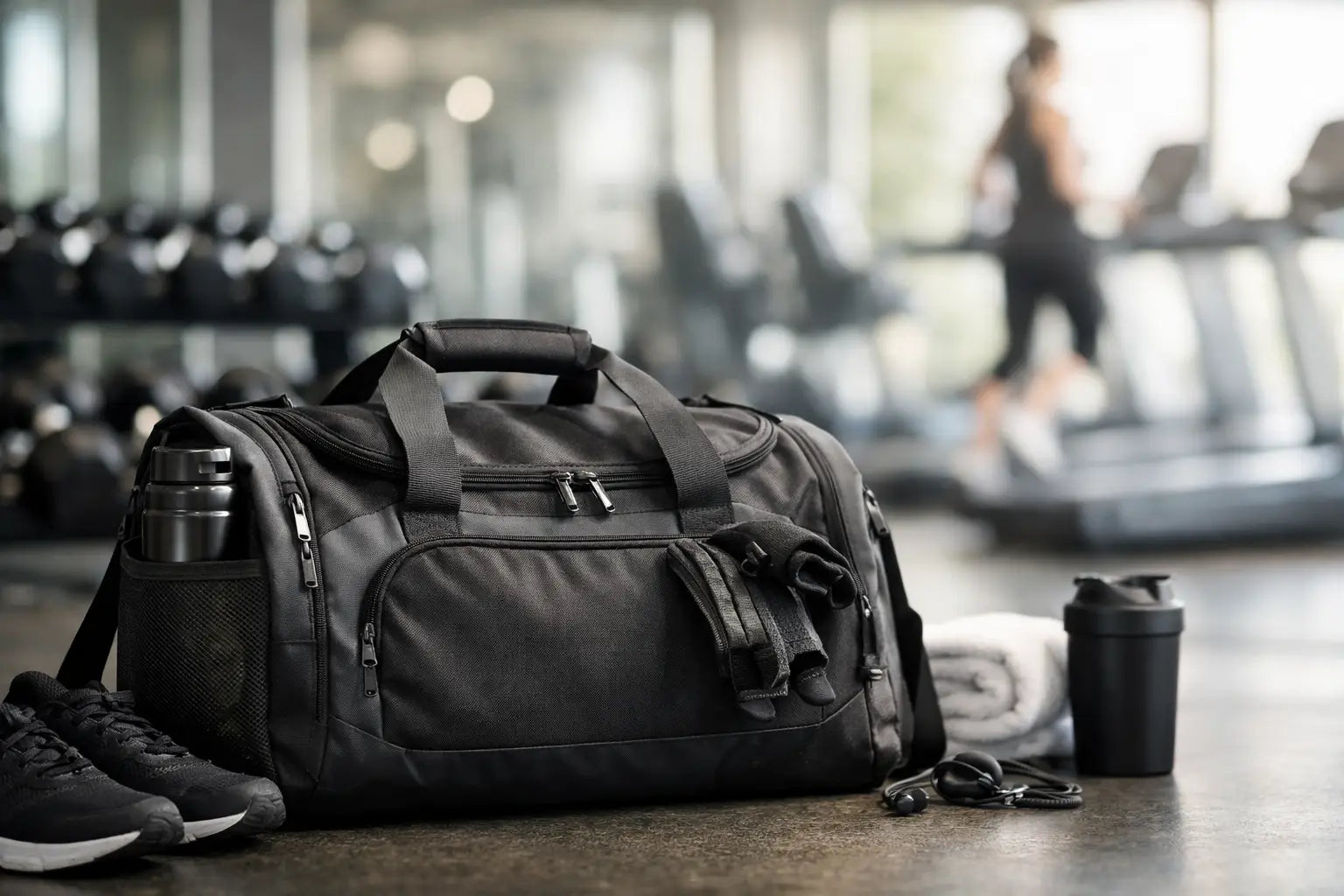
The best choice depends on how you travel. A business traveler may want a clean-lined duffel with a protected tech compartment, discreet exterior pockets, and a finish that works with office attire. For a wellness weekend or quick gym-to-flight itinerary, a separate shoe section and wipeable interior may matter more.
Parents often benefit from a medium-size duffel that can hold a change of clothes, snacks, chargers, and a few child essentials without looking overly casual. For the style-led city traveler, a minimal duffel in a timeless neutral delivers the most mileage. It complements sneakers and a trench as naturally as it does loafers and a structured jacket.
Consider how you will carry it most often. If you walk long distances through stations or airports, a shoulder strap and lighter material deserve priority. If your bag will mostly travel by car, sit on a suitcase, or move between hotel and meeting, you can choose a more substantial design with a stronger fashion presence.
Style It Like Part of the Outfit
A carry-on duffel is visible for much of the journey. Treat it as an accessory, not an afterthought. A sleek bag elevates simple travel dressing, while a cluttered or overly athletic design can make even an intentional outfit feel less finished.
Keep the look cohesive by echoing the bag's hardware in your watch, belt, or jewelry. If your duffel is black with gold-tone details, warm metallic accessories create a subtle sense of polish. If you prefer silver or cooler tones, choose a bag finish that supports that direction. The effect is quiet, but it reads as deliberate.
A timeless silhouette will outlast a statement print when you need one bag for work trips, overnight stays, and last-minute escapes. Save bolder colors for travelers whose wardrobe is already built around them. Versatility is its own form of luxury.
Make the Final Choice With Your Real Trips in Mind
Do not choose a travel duffel based only on how it looks empty. Picture your actual routine: the early departure, the security line, the overhead bin, the hotel check-in, and the moment you head out for dinner with only minutes to refresh. The right design supports every stage without losing its composure.
Choose a bag that fits your airline allowance, carries your essentials with order, and reflects the way you want to arrive. When travel feels organized and your accessories feel intentional, even the in-between moments begin to carry a little more effortless sophistication.