Cart
0
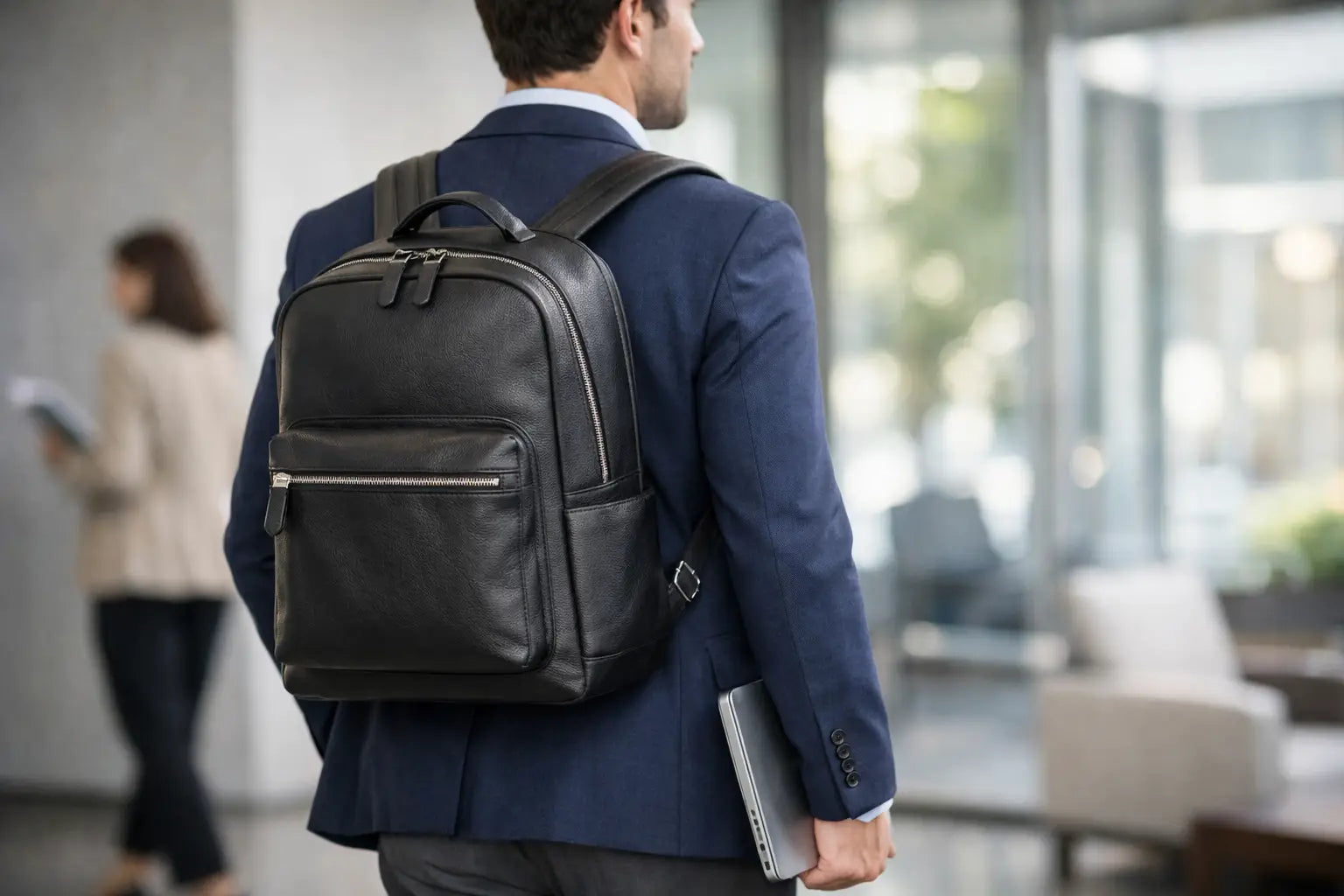
A laptop, a charger, a water bottle, a change of shoes, and the small essentials that keep a full day on track do not always fit elegantly into a slim briefcase. So, is a backpack business casual? Absolutely, when the design looks considered rather than purely sporty. The right backpack brings order to a fast-moving schedule while preserving the composed finish your wardrobe deserves.
For modern professionals, business casual is less about rigid rules and more about visual intention. A polished backpack can move from the train platform to a client lunch, a shared workspace, or an airport gate without making your outfit feel less refined. The difference lies in its silhouette, material, color, and the way you style it.
Is a Backpack Business Casual in a Modern Office?
In many workplaces, yes. Business casual has evolved beyond tailored trousers and leather briefcases alone. As hybrid schedules, commuting, and business travel have become part of everyday professional life, function has earned a place beside formality. A refined backpack is now a credible work accessory, especially in creative, technology, consulting, education, and relaxed corporate settings.
That said, not every backpack belongs in every room. A brightly colored hiking pack covered in compression straps may be excellent for a weekend trail, but it can look out of place beside a blazer or polished dress. A clean, structured design in an elevated material tells a different story. It signals that you chose the bag to complement your look, not simply to carry more.
The occasion still matters. For a high-stakes interview, a formal presentation, a traditional law office, or an evening event with a strict dress code, a briefcase, slim tote, or structured top-handle bag may be the stronger choice. For the workday around those moments, however, a sophisticated backpack is often the most practical and modern option.
What Makes a Backpack Look Business Casual?
A business-casual backpack should feel streamlined at first glance. Think clean lines, balanced proportions, and discreet organization. It should support your day without becoming the loudest element of your outfit.
Choose a structured silhouette
Shape makes an immediate impression. A backpack that holds its form looks more polished than one that collapses or bulges at the seams. Look for a refined rectangular or softly curved profile with a defined base, particularly if you carry a laptop or work documents.
A compact to medium size tends to look the most intentional for daily office use. Oversized styles can work for frequent travelers, but they are best when the exterior remains minimal. A bag that is visibly overstuffed can undermine even an otherwise elegant outfit, so consider a larger option only when your routine truly requires it.
Prioritize elevated materials
Material does much of the styling work. Smooth leather, pebbled leather, premium vegan leather, and matte technical fabric can all feel appropriate for business casual. The finish should look substantial, neat, and easy to maintain.
Nylon is not automatically too casual. A sleek, densely woven nylon backpack with quality hardware can feel sharp and contemporary, especially for commuters and frequent flyers. What to avoid is fabric that appears thin, shiny, worn, or overly athletic. If the bag looks designed for the gym first, save it for the gym.
Keep the color palette restrained
Black is a natural choice for a polished work bag, but it is far from the only one. Deep navy, espresso brown, charcoal, taupe, stone, and rich burgundy offer timeless elegance while giving your wardrobe more personality. These shades pair beautifully with denim, tailoring, knitwear, and neutral outerwear.
If your office style is expressive, a muted green, dusty blue, or refined seasonal color can work beautifully. The key is restraint. Choose one confident color in a simple shape rather than a bag with competing prints, color blocking, or oversized logos.
Let hardware and details stay discreet
Small details separate an everyday backpack from a business-casual accessory. Sleek zippers, subtle metal hardware, tonal stitching, and a tidy top handle create a more composed finish. A dedicated laptop compartment is useful, but it does not need to announce itself with visible padding or bulky exterior panels.
Exterior pockets are practical, yet too many can make a bag look tactical. A clean front pocket or concealed zip offers easy access while maintaining refined simplicity. The goal is organization that feels invisible from across the room.
How to Style a Backpack for Work
A backpack works best when it supports the overall line of your outfit. Treat it as you would a watch, pair of shoes, or tote: a finishing piece that should feel aligned with the rest of your look.
For a tailored office outfit, choose a slim backpack in black, brown, or navy and pair it with trousers, a fine knit, and loafers or polished sneakers. The structure of the bag mirrors the clean lines of the clothing. If you wear a blazer, avoid a thick, heavily padded style that bunches the jacket at the shoulders.
With smart-casual denim, a leather or matte technical backpack adds instant polish. A dark-wash jean, crisp button-down, and trench coat can feel effortless with a minimalist backpack rather than a casual canvas carryall. For women, the same principle applies with wide-leg pants, a midi dress, a tailored jacket, or elevated separates. A compact backpack in a rich neutral can offer a fresh alternative to a shoulder bag while keeping hands free.
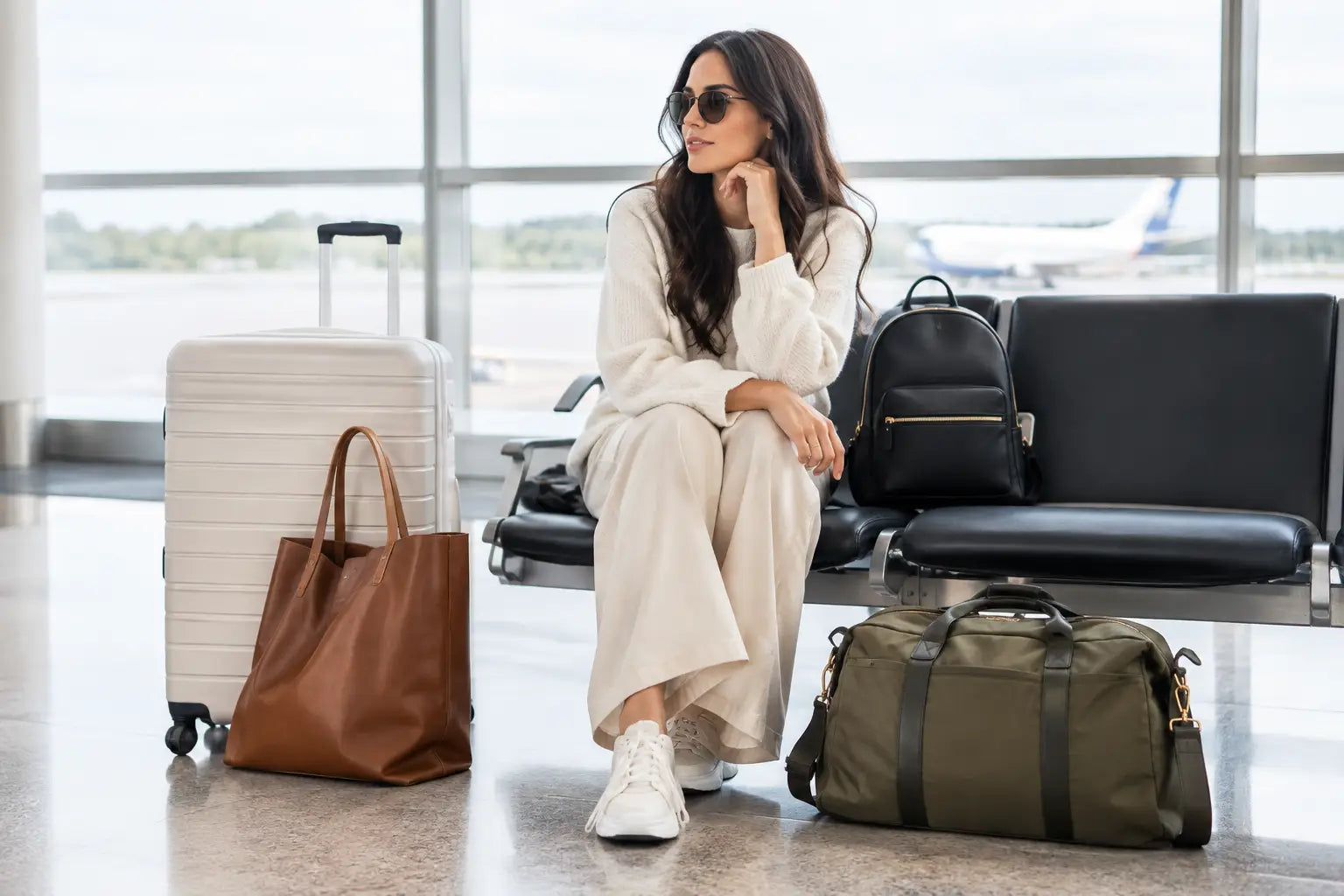
For travel days, choose a design that coordinates with your outerwear and luggage rather than competing with it. A streamlined backpack in a versatile neutral works with airport tailoring, relaxed knits, and clean sneakers. It is the kind of piece that makes movement look composed, even when your itinerary is not.
When a Backpack Is Too Casual
Even the best backpack has limits. If the dress code is formal business, ceremonial, or explicitly conservative, a backpack may not be the ideal primary accessory. Think executive board meetings, court appearances, black-tie-adjacent events, and interviews where first impressions are especially traditional.
It may also feel too casual if it is visibly worn, overloaded, or covered with personal embellishments. Keychains, large patches, travel tags, and dangling cords can be charming in off-duty life, but they pull a work look toward casual territory. Keep the exterior edited and let the craftsmanship speak for itself.
There is also a practical consideration: backpacks require you to take them off before sitting at a conference table or stepping into a meeting. Arrive a moment early, place it neatly beside your chair, and avoid leaving it on during introductions. Small habits preserve the polished effect.
The Business-Casual Backpack Checklist
Before choosing your next work bag, ask whether it meets the standards of your wardrobe and your routine:
- It has a clean, structured profile that does not slump when filled.
- Its material looks elevated, durable, and appropriate beside tailored clothing.
- The color is versatile enough to wear through the week.
- Branding, straps, and exterior pockets are minimal rather than distracting.
- It carries your essentials without becoming bulky or overstuffed.
- It feels right for your office culture, commute, and typical meeting schedule.
Kelexia approaches this balance as everyday luxury: accessories designed to keep pace with work, travel, and the moments in between while maintaining a curated sense of prestige. The best choice is not merely the bag that holds the most. It is the one that makes your day feel more organized, your outfit more intentional, and your arrival more assured.
Choose a backpack with polished proportions and purposeful details, then wear it with the same confidence you bring to the room. When your accessory looks considered, practicality becomes part of your personal style.