Cart
0
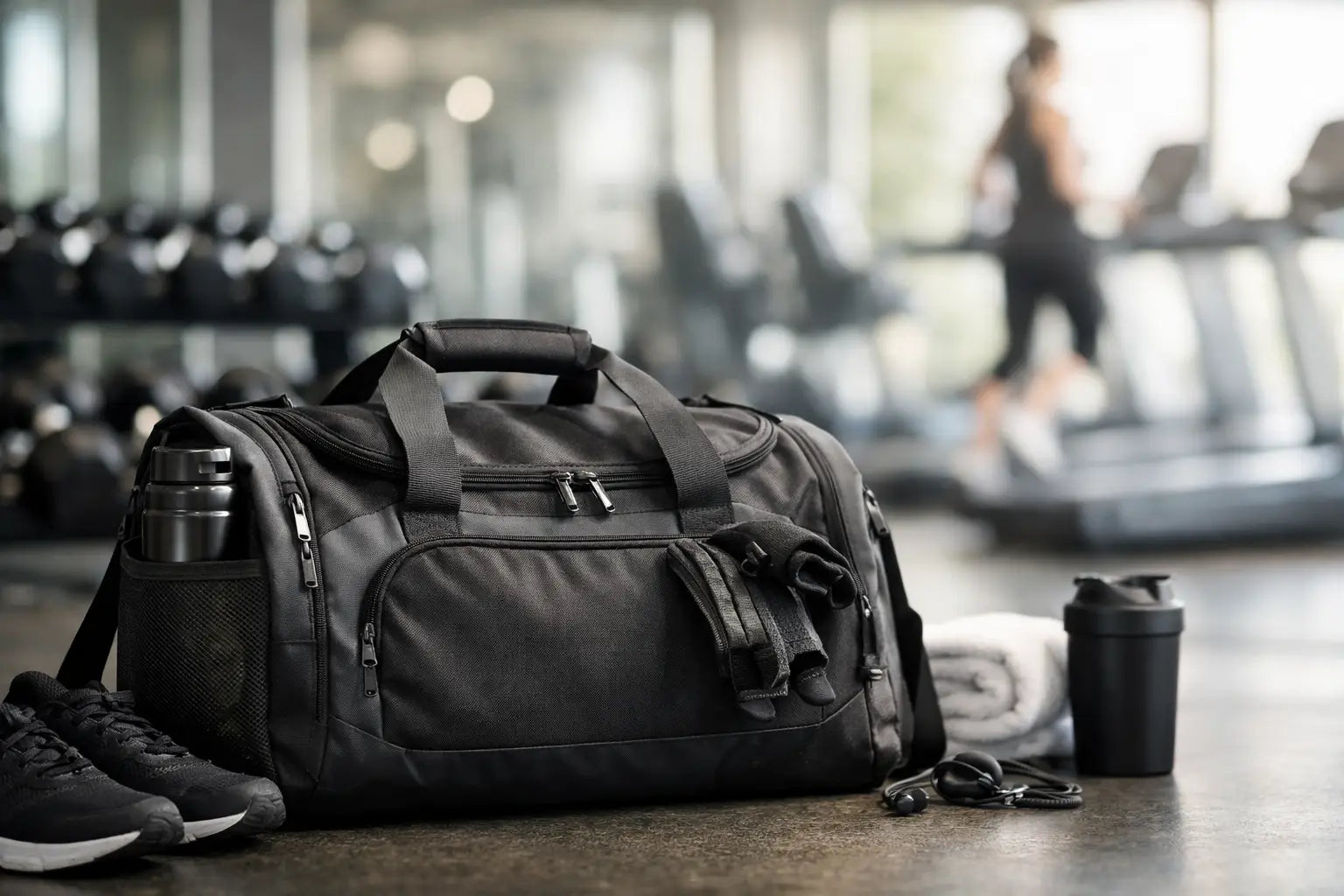
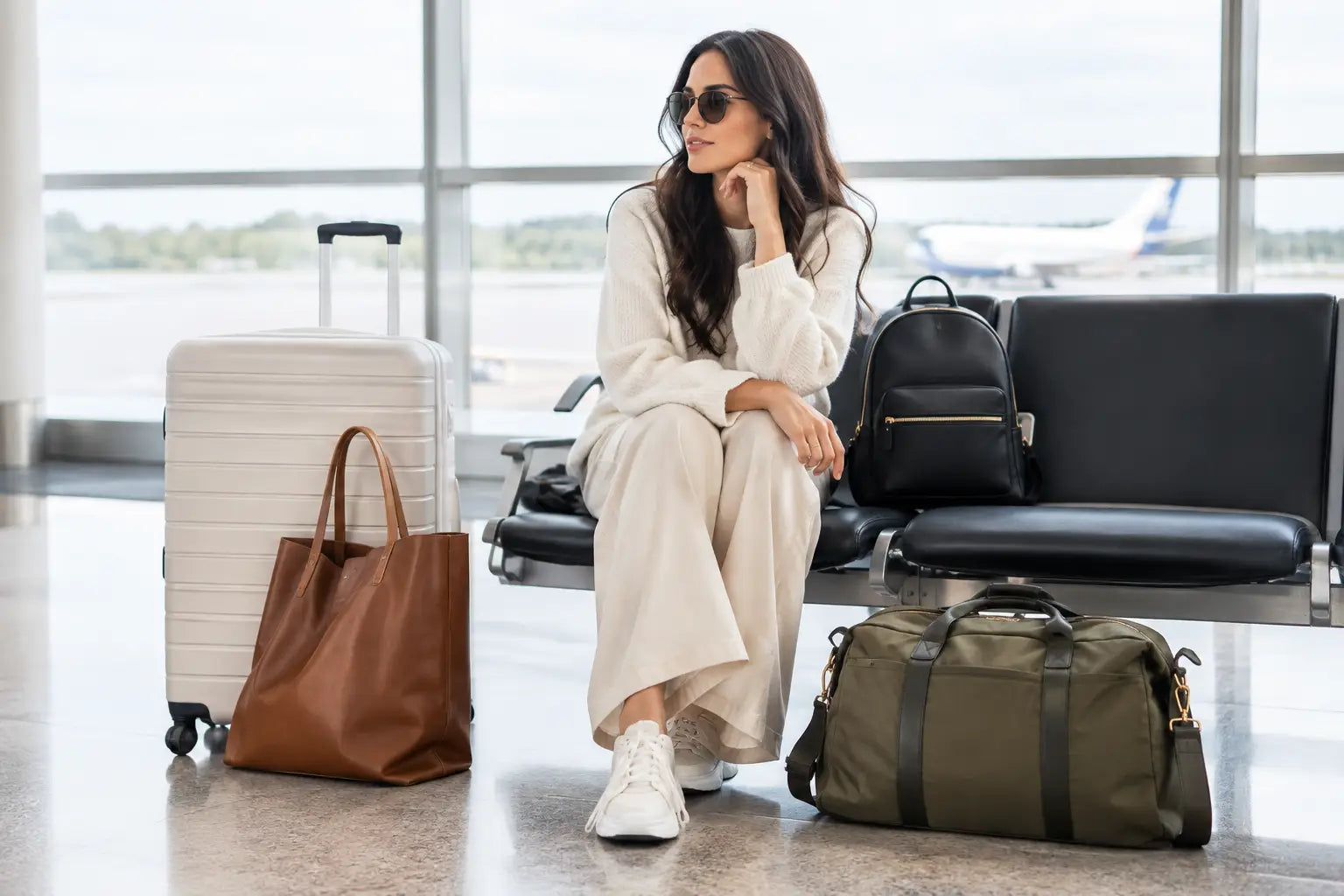
A 6:30 a.m. workout, a full day at the office, and dinner plans afterward should not require three different bags. The right gym duffels make that kind of schedule feel considered rather than chaotic, keeping training essentials contained while preserving the polished look of your everyday wardrobe.
A gym bag no longer belongs solely in a locker room. For professionals, travelers, parents, and anyone moving through a fast-paced city, it is a daily companion that has to perform across settings. It needs enough structure for sneakers and a change of clothes, enough organization for small essentials, and enough style to sit confidently beside a tailored coat or a refined weekend look.
Why Gym Duffels Deserve More Attention
The difference between an ordinary carryall and a well-chosen duffel becomes obvious on a long day. An unstructured bag turns into a search party for headphones, access cards, and clean socks. A bag with no separation between shoes and clothing can make even the most efficient routine feel less than fresh. And a design that looks overly athletic may feel out of place the moment you leave the studio.
A refined duffel solves for the transitions. It is spacious without looking oversized, organized without appearing overly technical, and versatile enough to carry from a morning class to a client meeting or a weekend departure. That balance is what makes it a true wardrobe essential rather than a piece of single-purpose equipment.
The best choice is rarely the bag with the most compartments or the loudest performance details. It is the one that suits the way you actually move. Someone who walks to a boutique fitness class may prioritize a streamlined silhouette and comfortable shoulder carry. A frequent traveler may need a trolley sleeve, a separate shoe area, and a shape that fits neatly under a seat. The bag should make your routine easier, not ask you to build a new routine around it.
What to Look for in Gym Duffels
A silhouette that travels well
Start with proportion. A compact-to-medium duffel is often the most versatile size for a daily workout, holding shoes, apparel, a water bottle, toiletries, and a few personal items without becoming bulky. If you regularly pack a towel, lifting belt, laptop, or several outfit changes, a larger option makes sense, but check that it will still feel comfortable through a station, airport, or crowded elevator.
A structured base is especially useful. It helps the bag retain its shape when set down, keeps contents from pooling at the bottom, and lends a more elevated finish. Soft duffels can be excellent for light packing and relaxed weekend use, but they require more thoughtful organization inside.
Materials that feel elevated and work hard
Material changes both the look and the upkeep of a gym bag. Smooth vegan leather or a refined coated finish offers a sharp, city-ready appearance and can be simple to wipe clean after a workout. Durable woven fabrics are lighter and often better suited to high-frequency use, particularly if you carry the bag on foot or by public transit.
The trade-off is personal. A leather-look finish brings instant sophistication, but it may show scuffs more readily than textured fabric. A lightweight nylon-style bag can tolerate a busier schedule, though the details need to be considered for it to feel polished. Look for clean hardware, thoughtful stitching, a substantial zipper, and handles that do not collapse or twist in your hand. These are small details, yet they shape how a bag wears over time.
Organization with a purpose
A gym duffel should offer separation where it matters most. A dedicated shoe compartment is valuable if you train before work or bring sneakers into a clean travel bag. An interior zip pocket keeps jewelry, keys, and cards from disappearing beneath workout gear. An exterior pocket gives quick access to a phone, transit pass, or locker key.
There is a limit, though. Too many narrow pockets can waste usable space and make packing feel fussy. Choose a layout based on your non-negotiables. If shoes are your biggest issue, prioritize a ventilated or wipe-clean compartment. If you carry a laptop between work and the gym, look for protected storage or enough room to add a slim sleeve. If your sessions are short and your packing is minimal, a clean main compartment with one or two secure pockets may be all you need.
Carry options for real life
Handles make sense for a quick car ride or a short walk into the studio. A removable shoulder strap is more practical when your hands are full with coffee, a coat, or a child’s hand. The strongest gym duffels provide both, giving you flexibility without compromising their profile.
Pay attention to strap width and attachment points. A narrow strap can dig in when the bag is loaded, while flimsy clips can make an otherwise beautiful design feel less dependable. Adjustable straps also matter because the ideal carry length changes depending on whether you are wearing a blazer, a puffer, or a simple tee.
Build a Better Pack, Not a Bigger One
A polished gym bag begins with a restrained packing routine. Instead of treating the duffel as a place for every possible item, assign it a core set of essentials: workout clothes, shoes, a small wash kit, deodorant, a hair tie or grooming item, and a reusable bottle. Add what your day requires, then remove anything that has been sitting unused for a week.
Packing by sequence can help. Place the items you need first after training near the top, such as a fresh shirt, skincare, or work accessories. Keep shoes in their designated section or a washable pouch. Store smaller items in the same pocket each time. That consistency saves minutes when you are rushing from the gym to the next commitment, and it prevents the inside of the bag from becoming an afterthought.
For an overnight plan, build on the same system rather than switching bags at the last minute. Add a folded change of clothes, compact sleepwear, and travel-size toiletries. A well-proportioned duffel can move from weekday training to a spontaneous one-night stay with ease, which is exactly the kind of versatility that earns it a place in a curated collection.
Choosing a Color That Works Beyond the Gym
Black remains a classic for good reason. It is understated, adaptable, and especially forgiving when a bag sees frequent use. Deep espresso, charcoal, navy, and rich neutral tones offer a similarly versatile effect with a slightly more styled point of view. These shades pair easily with workwear, denim, and travel outfits while maintaining a composed appearance.
If your wardrobe leans minimalist, select a bag that echoes your usual hardware and outerwear tones. A warm neutral finish can complement camel, cream, and gold accents. Cooler black or graphite tones feel natural with silver hardware, navy tailoring, and monochrome dressing. The goal is not to match every outfit exactly. It is to choose a piece that looks intentional wherever the day takes you.
When a Duffel Is Better Than a Backpack
Backpacks are excellent when you need hands-free comfort, particularly for cycling, long walks, or a heavier laptop setup. But a duffel offers a different kind of flexibility. Its wide opening makes it easier to see and pack your belongings, its shape can feel more appropriate for a change of clothes, and its silhouette often reads as more refined for a work-to-workout schedule.
For many people, the answer is not choosing one forever. A backpack may be the practical weekday choice for a long commute, while a duffel becomes the preferred option for studio days, short business trips, or weekends away. Consider the route, the load, and the setting rather than following a one-bag rule.
A thoughtfully selected duffel does more than carry your gear. It protects the rhythm of your day, letting you arrive prepared without looking like you are carrying your entire life. Choose the shape, finish, and organization that meet your real routine, then let the bag bring a little more effortless sophistication to every next stop.