Cart
0
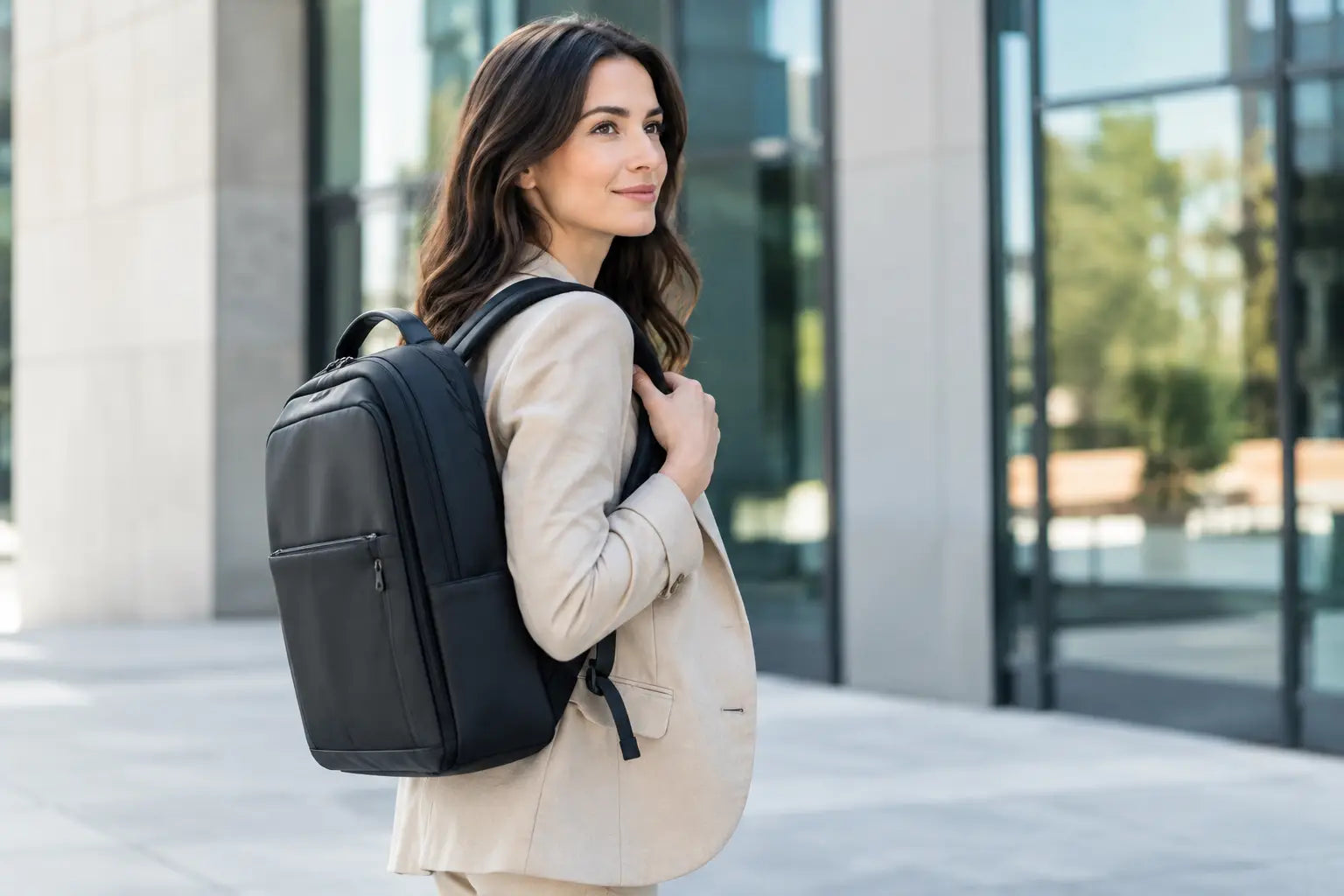
A crowded train platform, a client meeting across town, an overnight flight - modern work rarely happens behind one desk. That is why the question, can backpacks look professional, matters more than ever. The right backpack does not dilute a polished outfit. It gives it purpose, carrying your laptop, daily essentials, and travel layers with the same quiet confidence as a refined briefcase or structured tote.
The difference is not whether you wear a backpack. It is the backpack you choose, how you wear it, and whether its design supports the setting. A soft, overstuffed school-style bag can make tailoring feel less intentional. A clean, structured silhouette in a considered finish can look entirely at home with a blazer, wool coat, or smart casual office uniform.
Can Backpacks Look Professional in the Office?
Yes, especially when the office calls for movement as much as presentation. For commuters, frequent travelers, consultants, and anyone carrying tech between appointments, a professional backpack is often the more practical choice. It distributes weight more comfortably than a one-shoulder bag and keeps both hands free for coffee, calls, tickets, or a quick walk through the city.
Still, professional style has visual rules. A work backpack should look deliberate from a distance. It needs a defined shape, restrained details, and enough structure to hold its form when it is not packed to capacity. Think of it as a modern business bag rather than casual gear.
For more traditional offices, a backpack works best in neutral colors and a streamlined profile. In creative workplaces or hybrid settings, there is more room for a slightly softer, more fashion-led design. The standard changes, but the principle stays the same: your bag should complement your clothing, not compete with it.
The Design Details That Make the Difference
A professional backpack earns its place through proportion and restraint. Large logos, dangling straps, bright contrast panels, and excessive exterior pockets can pull the look toward sport or school. That does not mean every bag must be plain. It means the details should feel purposeful.
Choose a structured silhouette
Structure is the fastest route to a more polished carry. A backpack with a firm base and clean paneling looks composed whether you are entering a meeting or setting it beside a conference table. It also protects the contents inside from shifting into a bulky, uneven shape.
Look for a profile that sits close to the body rather than extending far behind it. A slim or medium-capacity design usually feels more refined for daily work, while a larger piece may suit business travel or days that include the gym.
Keep the color palette considered
Black remains a dependable choice because it works across formal, business casual, and travel wardrobes. Deep navy, charcoal, espresso, and rich taupe can offer the same versatility with a little more character. These shades pair naturally with tailored separates, denim, knitwear, and outerwear without becoming the focal point.
If you prefer a lighter bag, choose a muted neutral rather than a bright statement color. Cream, stone, or soft gray can look elevated, but they require a little more care in high-traffic routines. The best color is one you will want to carry every day, not one that only works with a single outfit.
Favor refined finishes over flashy hardware
Premium-looking hardware, smooth zippers, tidy stitching, and a clean handle can elevate even a highly functional design. The aim is subtle sophistication. A professional bag does not need to announce itself from across the room.
Materials matter, too. High-grade durable materials and premium synthetic leather finishes can provide a sleek appearance while standing up to regular commutes and travel. A textured fabric can also look polished when the weave is dense, the color is solid, and the construction is crisp.
Function Is Part of Professional Style
A bag that looks elegant but leaves you searching for a charger at airport security is not truly serving your day. Practical organization is one of the strongest reasons to choose a backpack for work. The key is finding function that is built in discreetly.
A protected laptop compartment, a dedicated space for documents, and interior pockets for smaller essentials keep the exterior clean while helping your routine move faster. A secure zip closure is particularly useful for commuting, while a luggage sleeve can make airport transitions feel more composed.
Avoid choosing a bag solely because it has the most compartments. Too many exterior sections can make a backpack appear technical and busy. Instead, prioritize the features you actually use: your laptop, charger, notebook, water bottle, headphones, and perhaps a change of clothes for longer days. When every item has a place, the bag keeps its shape and your day feels less scattered.
How to Style a Professional Backpack
A polished backpack should work with your wardrobe rather than forcing you to dress around it. For men, a structured black or dark brown backpack pairs easily with a navy blazer, crisp shirt, tailored trousers, and clean leather shoes. It also sharpens a more relaxed combination of a fine-gauge knit, dark denim, and a wool overshirt.
For women, a sleek backpack can balance a tailored trouser suit, midi dress, trench coat, or blazer-and-denim combination. A compact silhouette feels especially elegant with more formal looks, while a medium structured backpack offers better capacity for office essentials and a post-work plan.
Fit matters as much as the outfit. Adjust the straps so the bag rests high and close to your back. Loose straps make even a beautiful design look casual and can become uncomfortable over a long commute. If your backpack has a top handle, carrying it by hand briefly when entering a meeting can create a more formal impression.
There is also a simple discipline to keeping it professional: do not overfill it. A backpack stretched to its limit loses the clean lines that made it look refined in the first place. If you routinely carry a lunch, gym shoes, camera equipment, and a laptop, consider a larger work-and-travel style or separate your needs into two bags on heavier days.
When a Backpack May Not Be the Best Choice
There are moments when a briefcase, satchel, or structured tote still makes more sense. A formal interview, a conservative boardroom presentation, or an event with a strict dress code may call for a more traditional business bag. In those settings, a slim portfolio or elegant top-handle design can better match the formality of the occasion.
The same is true if you only carry a tablet and a few documents. A backpack may be more bag than you need. Professional style is often about choosing the right scale, and a smaller carry can feel sharper when your day is light.
That said, the rules are changing. Many workplaces now recognize that a person traveling between home, office, client sites, and airports needs a bag that works harder. A thoughtfully designed backpack is not a compromise. It is a modern answer to a modern schedule.
Choose a Bag That Supports the Way You Move
The most professional backpack is one that makes your daily routine look effortless. It carries what you need without appearing overloaded, feels comfortable without looking overly athletic, and finishes your outfit with a sense of intention.
When selecting your next work bag, start with structure, neutral color, discreet organization, and a size that suits your real routine. A well-chosen backpack becomes more than a place to keep your essentials. It becomes the composed final detail that lets you move through work, travel, and everything between with confidence.