Cart
0
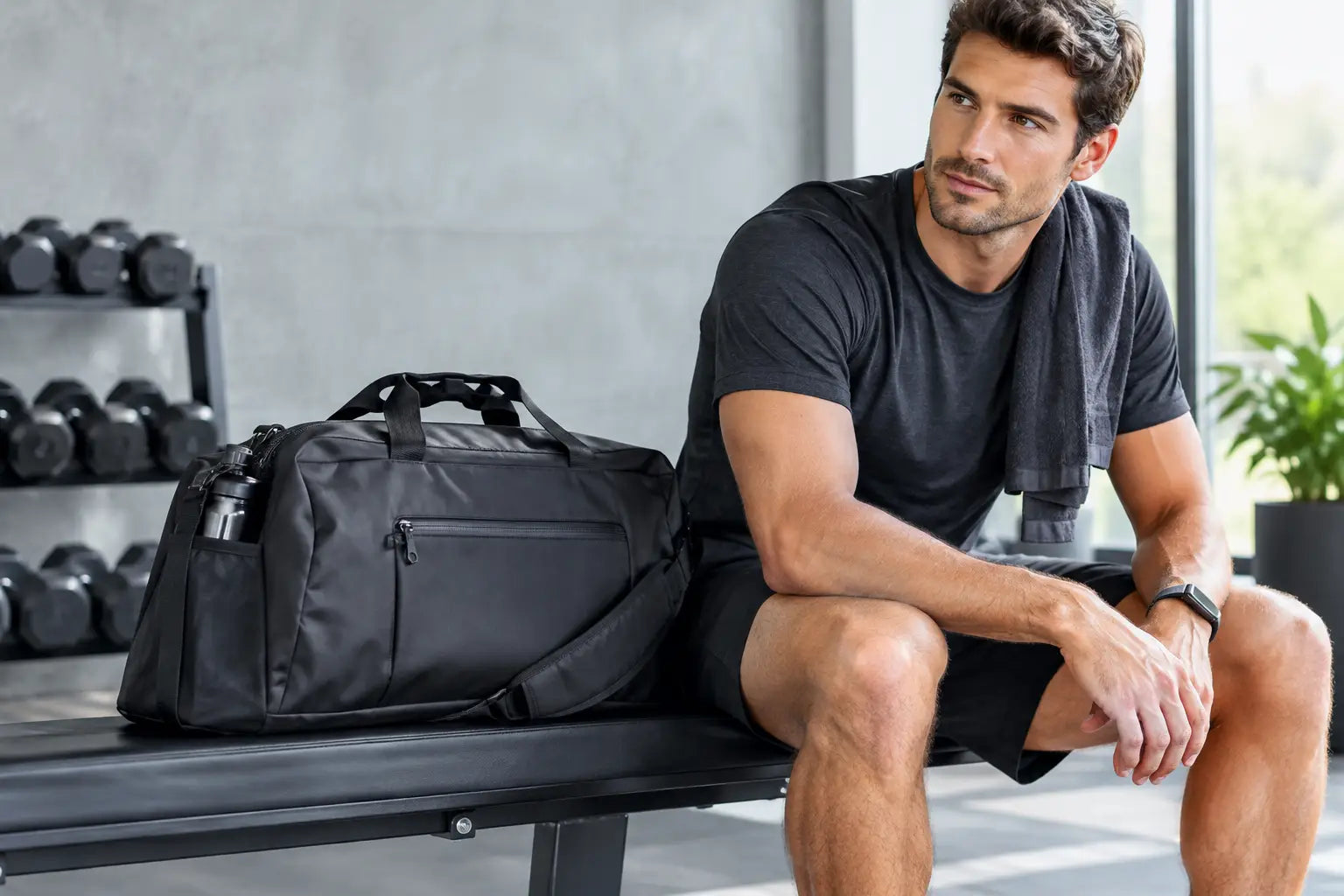
A sweaty change of clothes, trainers, a laptop, a water bottle, and a meeting across town can turn an ordinary bag into a daily frustration. The best gym bags men choose solve that problem with polished structure, thoughtful storage, and a look that still feels right long after the workout ends.
For men who move between the office, the gym, airport terminals, and weekend plans, a gym bag should do more than hold gear. It should bring order to a full schedule and complement a considered wardrobe. The right choice depends on how you train, what you carry, and whether your bag needs to earn its place beyond the locker room.
What Makes the Best Gym Bags for Men Different
A good gym bag is not necessarily the largest one. Oversized bags can feel cumbersome on public transit, awkward under a desk, and excessive for a quick training session. A well-designed medium-size duffel or backpack often offers the better balance: enough room for essentials, a defined shape, and a clean silhouette that does not look like an afterthought.
Organization is equally important. Gym clothing, footwear, toiletries, keys, and electronics should not end up in one loose compartment. Look for a bag with an easy-access outer pocket, interior sections for smaller essentials, and a dedicated area that keeps shoes or damp gear away from the rest of your belongings. This is the difference between arriving composed and unpacking your entire bag to find a locker key.
Style matters because the bag remains visible throughout your day. Refined hardware, restrained branding, a structured profile, and versatile colors such as black, charcoal, navy, or rich brown keep a fitness bag aligned with a sharper wardrobe. Sporty details have their place, but a timeless design gives you more ways to carry it.
12 Gym Bag Styles Worth Considering
1. The everyday duffel
The classic duffel remains one of the best gym bags men can own because it is adaptable. It suits weight training, a before-work class, and a short overnight stay with minimal effort. Choose one with a wide top opening, comfortable handles, and an adjustable shoulder strap for crowded commutes.
2. The shoe-compartment duffel
For anyone who changes into training shoes at the gym, a separated shoe compartment is a practical luxury. It protects fresh clothes from dirt and odor while keeping your main compartment easier to organize. The trade-off is that the shoe section can reduce the room available for bulkier clothing, so this design is best for focused packing.
3. The commuter backpack
A streamlined backpack is ideal when the gym sits between home and the office. It distributes weight comfortably, leaves both hands free, and can carry a laptop alongside training gear. A more structured backpack will look especially polished with tailored outerwear or business-casual clothing.
4. The convertible backpack-duffel
Some days call for hands-free movement. Others call for the quick access of a duffel. A convertible style offers both, shifting between backpack straps and carry handles as your route changes. It is particularly useful for frequent travelers, though the added straps and panels can make the design feel busier than a classic duffel.
5. The compact training bag
If your workout requires only a change of shirt, shorts, bottle, and small toiletries, a compact bag is often the smartest choice. It keeps the routine light and prevents you from carrying unnecessary volume. This option is excellent for studio classes, hotel gyms, and short lunch-break sessions.
6. The large-capacity weekender
A larger gym bag works well for men who carry lifting belts, multiple outfits, recovery gear, or work equipment. It can also transition into a two-day travel bag. Be realistic, however: capacity is useful only when the bag remains comfortable to carry. Choose a shape that holds close to the body rather than sagging as it fills.
7. The work-to-workout holdall
A holdall with clean lines and discreet organization is built for a professional schedule. It should have space for gym essentials without advertising them, plus a protected compartment for a tablet or laptop. This is the right choice for someone who wants one refined bag rather than a separate work bag and fitness bag.
8. The locker-room tote
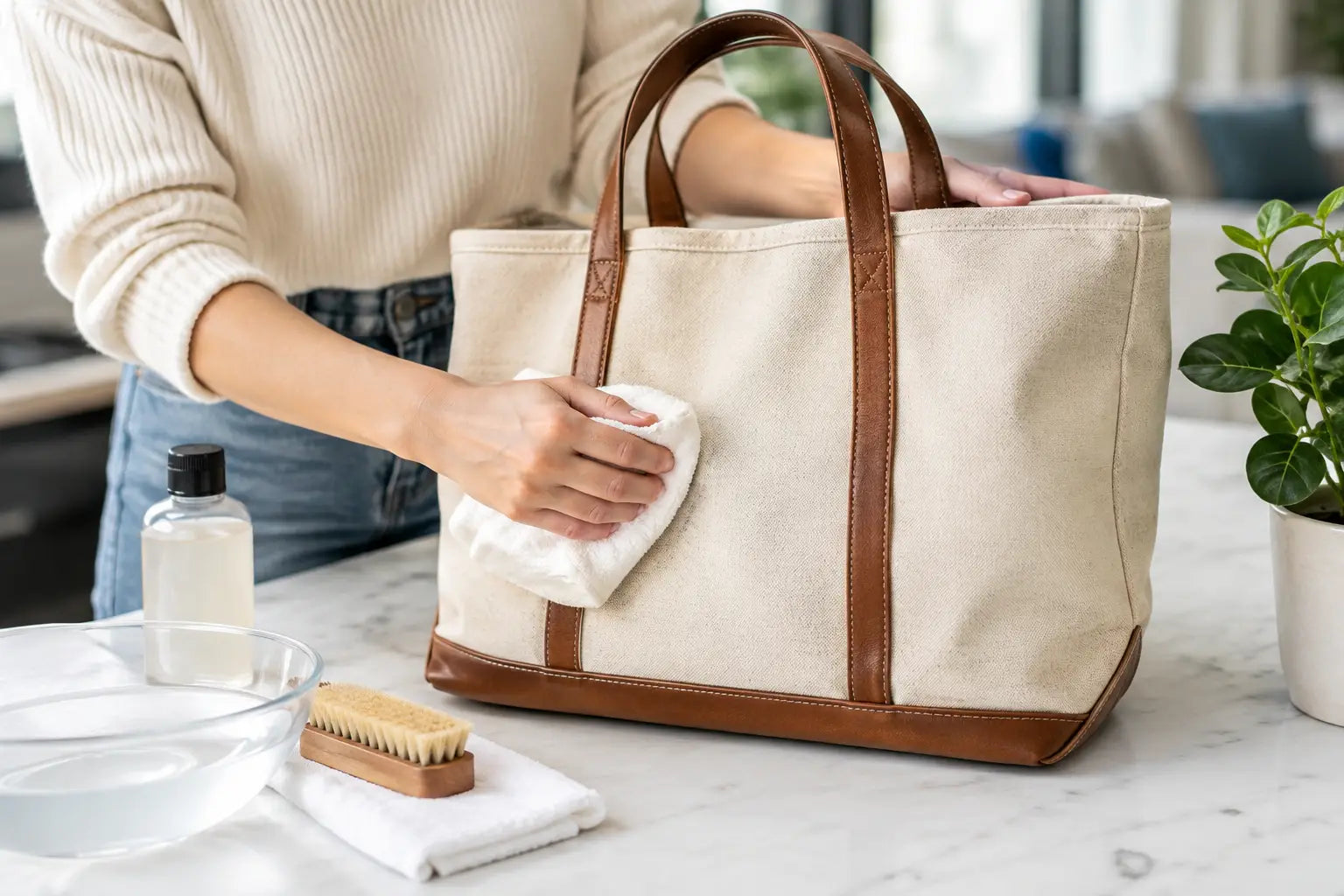
A men's tote can be a strong option for low-equipment workouts and relaxed city movement. Its open access makes packing simple, and its elevated silhouette can pair naturally with casual tailoring, knitwear, or weekend layers. It is less suited to cycling or long walks, where a zip-top backpack or shoulder strap provides better security.
9. The crossbody for essentials
Not every gym visit requires a full bag. A compact crossbody can carry your phone, wallet, keys, headphones, membership card, and a few small necessities. Think of it as an essential companion for a run, quick class, or recovery appointment rather than a replacement for a proper kit bag.
10. The travel-ready gym bag
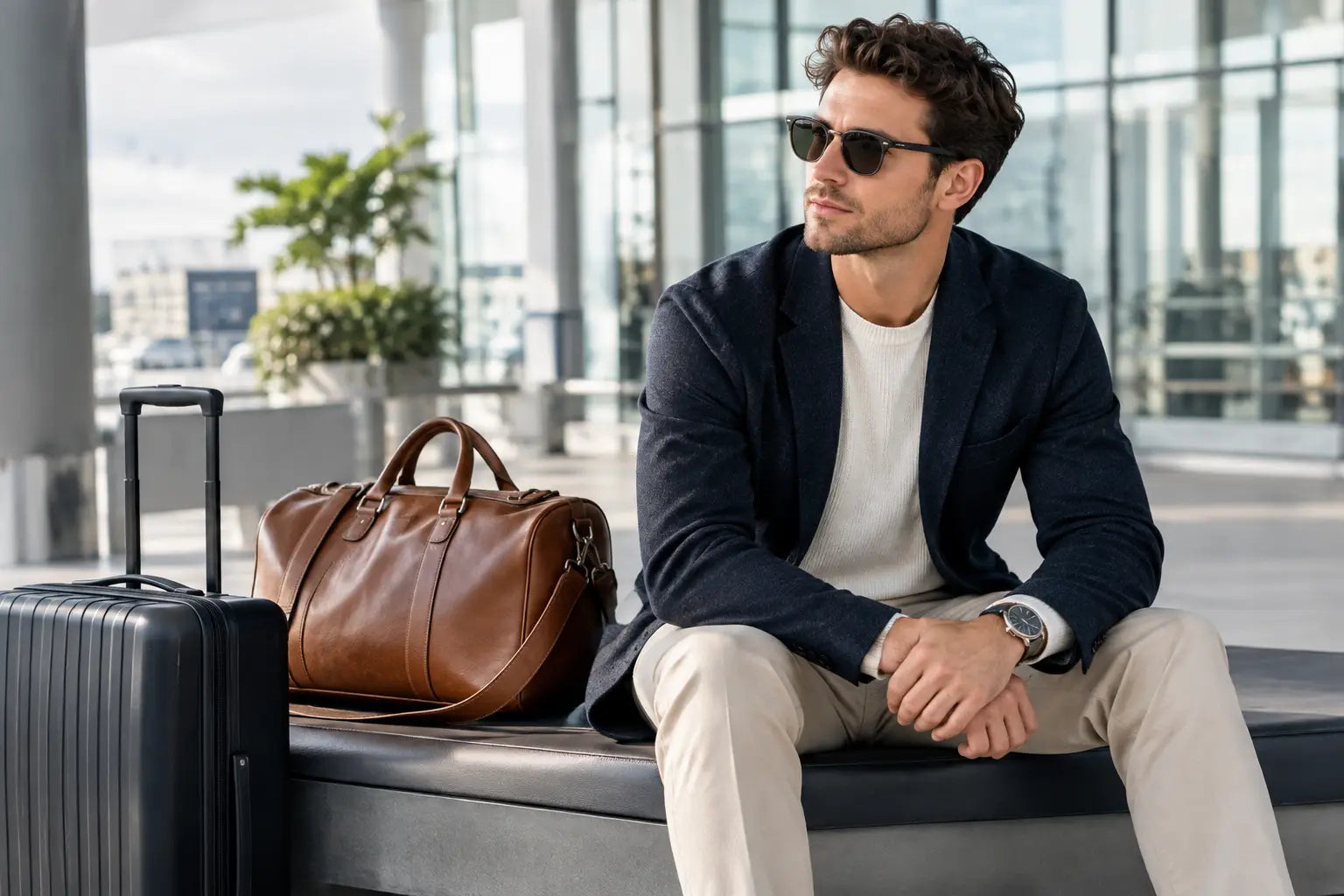
For frequent flyers, the ideal gym bag can also become a personal-item companion. A sleeve that secures to rolling luggage, zippered organization, and a profile that fits neatly under a seat make travel days more controlled. Keep the exterior sophisticated enough for a hotel lobby, not just a fitness floor.
11. The weather-conscious option
If you walk to the gym or move through unpredictable weather, choose durable materials that are easy to wipe clean and protect the contents from light rain. Reinforced base panels are especially useful when the bag will spend time on locker-room floors, train platforms, or the trunk of a car.
12. The minimalist carryall
Minimalists should resist overcomplicated designs. A sleek carryall with one main compartment and a few intentional pockets can feel more luxurious than a bag crowded with rarely used features. The key is to pack with discipline: one change of clothes, compact grooming essentials, and only the equipment you actually use.
How to Choose the Right Size
Start with your most demanding realistic day, not the occasional day you carry everything. If you train before work, you may need room for shoes, a change of clothes, grooming products, a laptop, and lunch. If you train after work and leave your laptop at home, a smaller duffel may be all you need.
A compact bag generally suits light training and short sessions. Medium capacity is the strongest all-around choice for most routines, while a large holdall is better for travel, equipment-heavy training, or long days away from home. The goal is effortless mobility, not maximum volume.
Details That Earn Their Keep
The best features tend to be the quiet ones. A zippered internal pocket protects valuables. A separate wet or shoe section keeps the main compartment fresh. Wide, padded straps make a loaded bag easier to carry, while sturdy handles keep it comfortable for quick grabs. A secure top closure offers peace of mind on trains, in locker rooms, and during travel.
Consider how the bag will sit when you set it down. A structured base helps it remain upright, making it easier to access without spilling its contents. Interior lining that is simple to clean is also valuable, particularly if you carry post-workout clothing often.
Make a Gym Bag Look More Intentional
Your gym bag does not need to match every item you wear, but it should belong in the same visual conversation. Black offers the most versatility and a confident, urban finish. Navy softens the look while remaining professional. A deep brown tone can add warmth to neutral wardrobes and works especially well with classic outerwear.
Keep the styling simple. A structured duffel with clean sneakers, dark denim, and a lightweight jacket looks purposeful. For workdays, a refined backpack or holdall pairs more naturally with chinos, knitwear, and tailored layers than a brightly colored performance bag covered in logos.
A gym bag should make a demanding day feel less scattered. Choose the shape that fits your routine, favor details that protect your essentials, and secure the bag that carries your standards as confidently as it carries your gear.