Cart
0
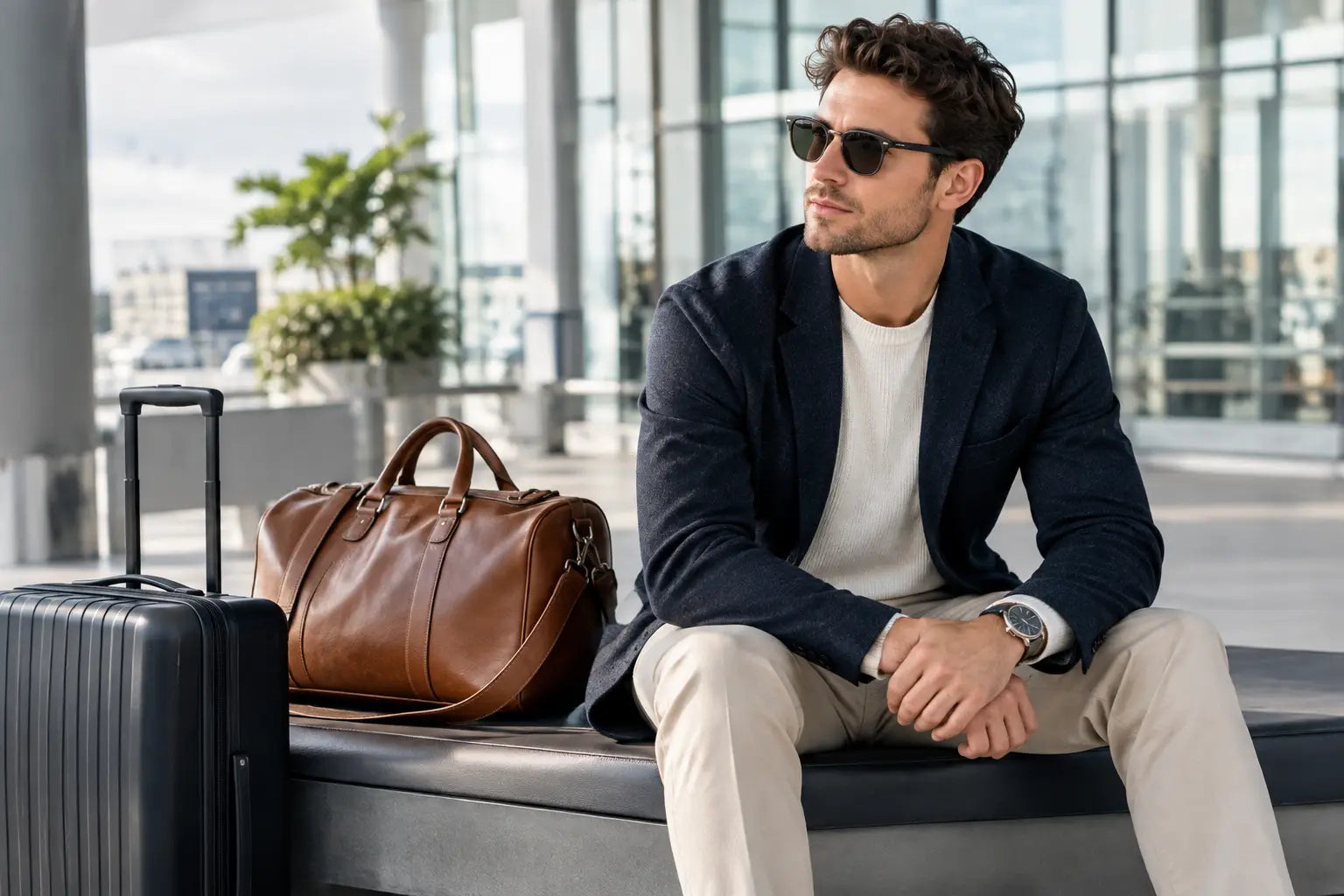
A bag earns its place in your routine when it handles the moments that matter: the crowded commute, the airport terminal, the laptop-heavy workday, and the quick change from office to dinner. Bag durability is what allows a favorite piece to keep its polished shape and practical purpose through all of it. It is not simply about choosing the thickest material or the largest silhouette. It is about selecting a bag designed to move well, carry thoughtfully, and still look composed after regular use.
For a refined wardrobe, durability is part of the style equation. A bag that sags, scratches easily, or leaves you searching for your essentials never feels luxurious, no matter how striking it looked on the first day. The right choice balances lasting construction with a silhouette you will be happy to carry season after season.
Bag Durability Starts With Construction
Material gets most of the attention, but construction often determines how a bag performs over time. Look closely at the areas that work hardest: the handles, strap attachments, base, zipper track, and interior seams. These are the points that absorb weight, friction, and repeated movement.
Reinforced stitching around handles and strap anchors helps a bag support daily essentials without looking strained. A well-finished base matters just as much. Whether you carry a compact crossbody or a generous travel bag, the bottom is exposed to desks, car floors, airport seating, and more. A structured or supported base helps preserve the bag's profile and keeps it from collapsing under its own contents.
Hardware should feel secure and purposeful. Zippers should move smoothly rather than catch at the corners, while clasps, buckles, and rings should sit firmly in place. This does not mean every bag needs heavy hardware. A lightweight city bag has different needs from a weekend duffel. What matters is that the closure and attachment points suit the bag's intended load.
Structure Is a Daily Advantage
A structured bag is often a strong choice for work, business travel, and occasions that call for a sharper finish. It holds its form, protects organized contents, and complements tailored clothing with effortless sophistication. A softer silhouette can be equally durable when it is designed for flexibility, especially for gym routines, casual travel, or off-duty dressing.
The trade-off is simple. Structured styles tend to maintain a more polished appearance but may be less forgiving when overfilled. Softer bags offer adaptable space, yet they need thoughtful packing to avoid distortion. Choose the shape that fits how you actually move, rather than forcing your daily routine into a bag that only works in theory.
The Right Size Protects Your Bag
Overpacking is one of the quickest ways to shorten a bag's usable life. A tote built for daily essentials may carry a tablet, notebook, water bottle, and light layer beautifully, but repeatedly loading it with more than it was designed to hold can pull at seams and handles. The same applies to backpacks and crossbody bags. Capacity is not just a convenience feature. It is a durability feature.
Before choosing a new bag, picture the contents you reach for every day. A professional may need room for a laptop, charger, documents, and sunglasses. A frequent traveler may prioritize a secure passport pocket, easy-access exterior storage, and enough space for a change of clothes. For city errands, a compact crossbody with a phone, wallet, keys, and a few essentials may offer all the function required without unnecessary bulk.
When a bag matches its job, it carries better and lasts longer. It also looks more intentional. A bag stretched to its limit can make even a considered outfit feel less composed, while the right size creates a clean, confident line.
How to Choose for Bag Durability
Start with the use case, then assess the details. A beautiful bag should serve the life you lead, not demand a different one. For everyday work, prioritize a stable base, comfortable handles or straps, practical interior organization, and a closure that keeps your belongings secure. For travel, consider a roomier design with durable handles, easy access, and a shape that remains manageable when full.
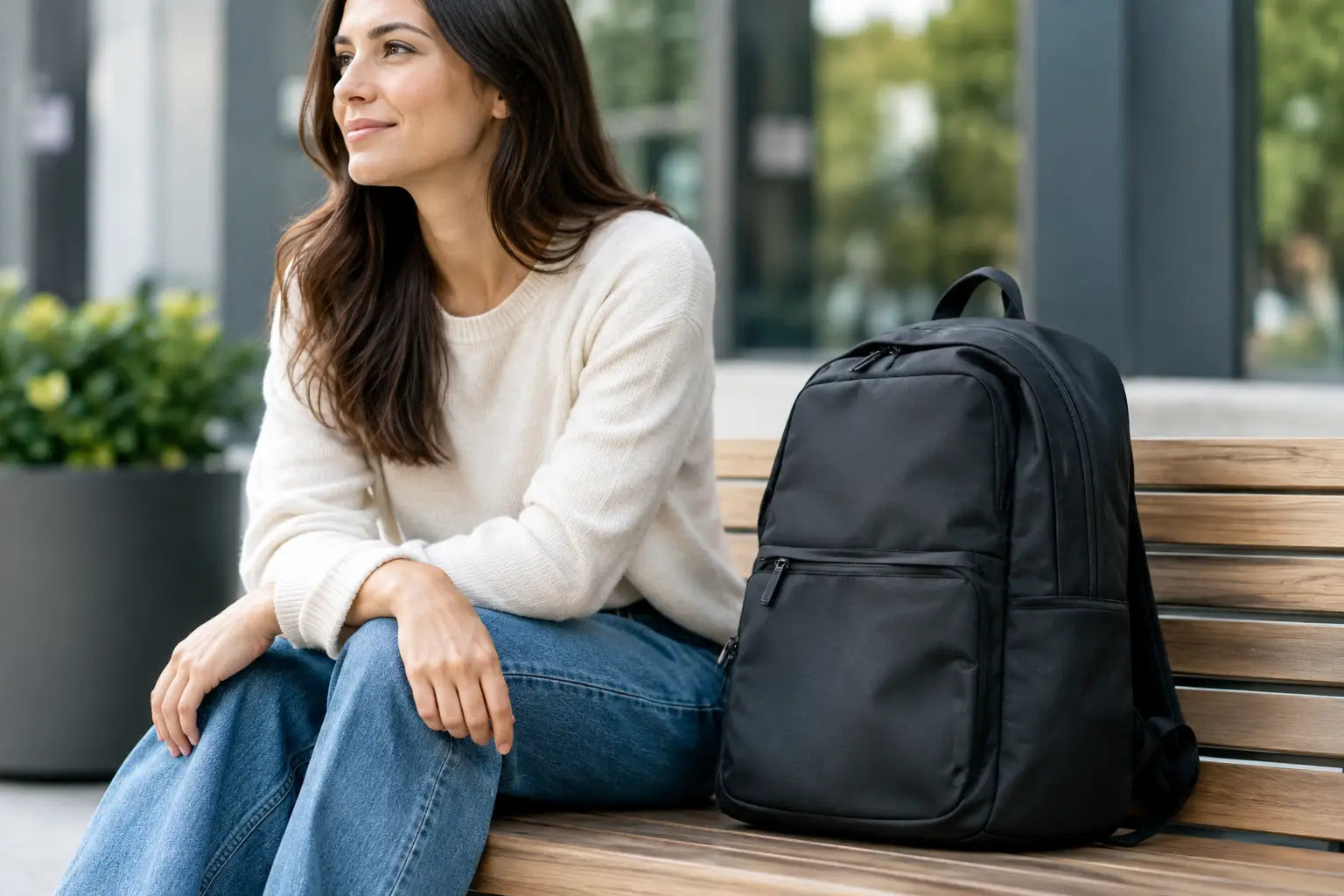
For a crossbody or shoulder bag, pay special attention to the strap. It should feel comfortable against the body and attach securely to the main compartment. Adjustable straps offer more versatility across outfits and seasons, particularly when you switch between lighter clothing and outerwear. For backpacks, padded or ergonomically considered straps can make a meaningful difference when carrying technology or heavier essentials.
Color and finish deserve consideration, too. Darker shades and textured surfaces can be more forgiving of the marks that come with frequent travel and commuting. Lighter tones deliver a crisp, elevated statement, but they may require more mindful handling. Neither is the better choice for everyone. The right finish is the one you will enjoy carrying enough to care for properly.
Interior Organization Reduces Wear
A well-organized interior does more than save time at the checkout counter or boarding gate. It prevents loose items from knocking into one another and placing uneven pressure on the bag. Dedicated compartments can separate a laptop from smaller accessories, while pockets keep keys, pens, and chargers from settling at the bottom.
Organization also prevents the familiar habit of overfilling. When everything has a place, you can see what you are carrying and leave behind what does not belong in the bag that day. This helps maintain the original shape while making your routine feel more efficient.
Care That Keeps a Bag Looking Refined
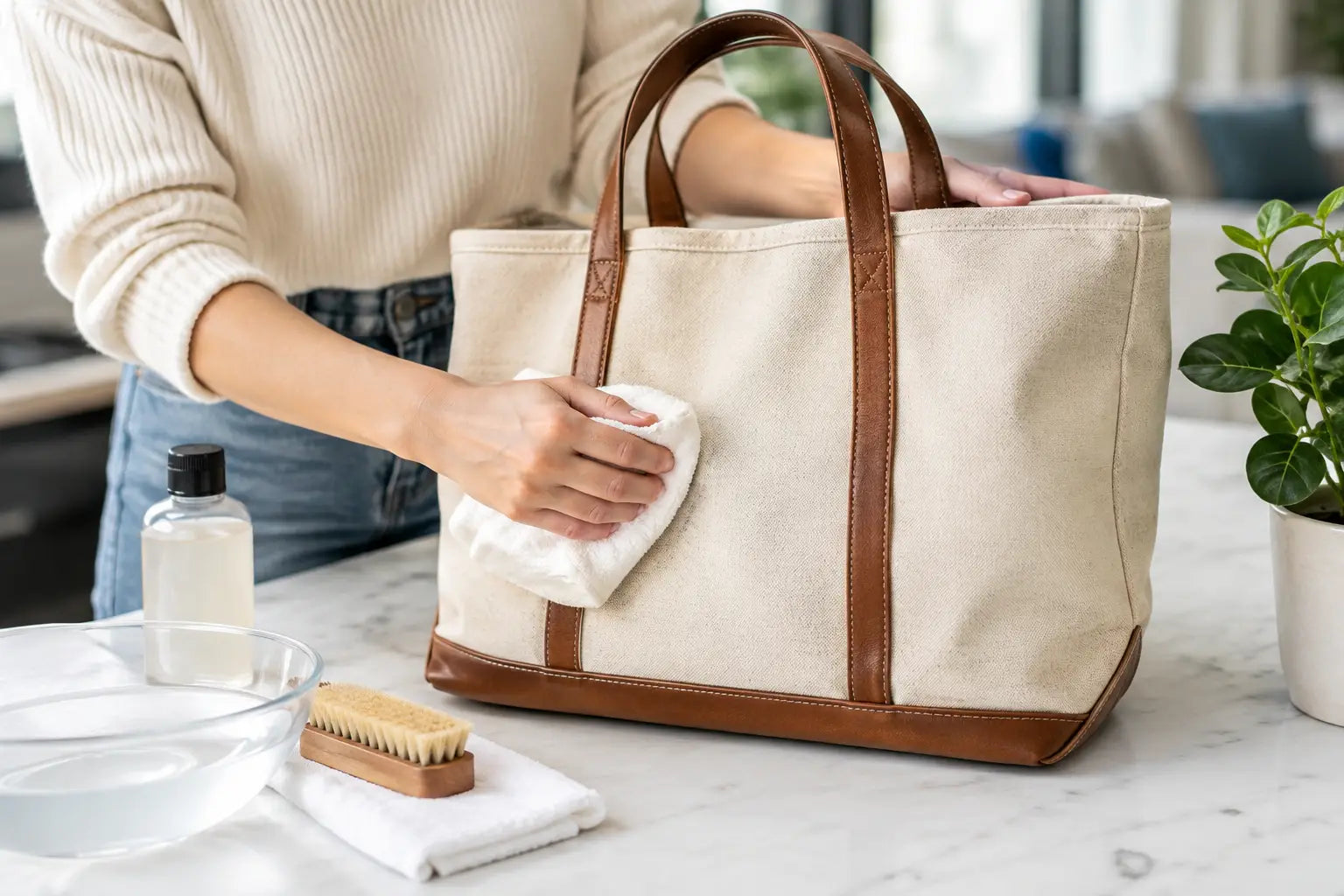
Even a beautifully constructed bag benefits from a little attention. Empty it regularly, especially after travel, so small items do not collect in the lining or create unnecessary strain. Wipe away surface dust with a soft, dry cloth, and address spills promptly according to the care guidance for that specific material.
Storage matters when a bag is off duty. Keep it in a cool, dry place away from prolonged direct sunlight, which can affect color and finish over time. If the bag has a structured shape, lightly filling it with clean paper or a soft insert can help it retain its form. Avoid hanging a heavier bag by its straps for long periods, since that can place tension on the attachment points.
Rotate your bags when possible. This is not about saving a special piece for an imaginary future. It is about giving each style the right role. A polished briefcase can take the lead on office days, a versatile backpack can handle heavier commutes, and a compact crossbody can make weekends feel lighter. Rotation limits repeated stress while allowing every piece in your collection to feel purposeful.
Durability Should Still Feel Personal
The most durable bag is not always the most technical-looking one. It is the bag that aligns with your style, your schedule, and the way you prefer to carry your life. A clean-lined tote may be ideal for someone who values a polished work wardrobe. A versatile duffel may suit the person who moves between business trips, fitness sessions, and weekends away. A refined crossbody may be the everyday essential for anyone who wants freedom of movement without sacrificing finish.
At Kelexia, a well-chosen bag is meant to feel like an extension of your personal standard: considered, capable, and ready for wherever the day leads. Choose one with construction you can trust, space you will use, and a silhouette that still feels like you. That is how a bag becomes more than an accessory. It becomes the piece you reach for without hesitation.