Cart
0
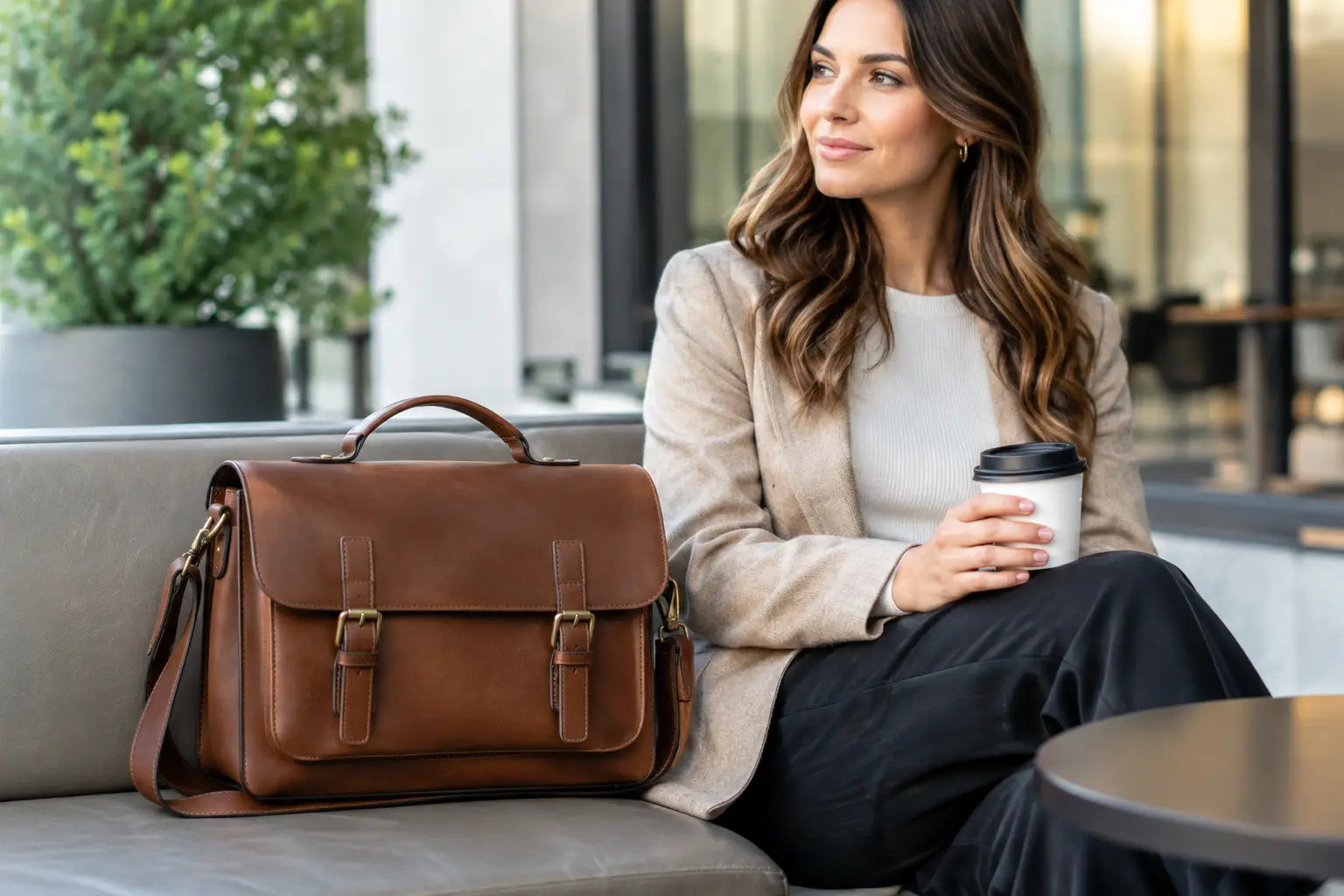
A satchel should do more than carry your essentials. It should bring order to a crowded commute, look composed in a client meeting, and still feel right over the shoulder at dinner. This satchel review looks at what makes this classic silhouette worth choosing for modern workdays, travel plans, and polished everyday dressing.
Why the Satchel Still Deserves a Place in Your Rotation
The best bags make getting dressed easier. A structured satchel does exactly that: it gives an outfit shape, offers a reliable home for daily essentials, and creates a more considered finish than a casual carryall. Its appeal lies in the balance. It has more refinement than a backpack, more organization than an open tote, and more presence than a small crossbody.
For professionals, the satchel is especially useful because it reads as intentional without becoming overly formal. A clean, structured profile works with tailored trousers, a knit polo, or a blazer, yet it does not feel out of place with denim and a crisp shirt on the weekend. For women, it can move easily from office hours to errands or dinner, carrying the day without competing with the outfit.
That versatility is why the silhouette has remained a wardrobe essential. It is not built around a passing trend. A well-chosen satchel offers timeless elegance while answering a very practical question: where does everything go?
Satchel Review: What Separates a Good One From a Great One
A satchel can look impressive in a product photo and still disappoint once it is filled. The difference comes down to structure, proportion, access, and how naturally it fits your routine.
Structure That Holds Its Shape
A satchel should have enough body to look neat when set down, rather than collapsing around its contents. This is particularly valuable for work, where a bag that keeps its shape feels more polished and makes essentials easier to find. Look for a defined base, a secure top closure, and handles that sit comfortably in the hand without pulling too tightly.
Structure should not mean stiffness at all costs. A bag that is too rigid can feel awkward against the body or difficult to open while moving through a station, airport, or busy street. The strongest designs strike a middle ground: tailored enough to maintain a sleek profile, with enough flexibility for real daily use.
The Right Interior, Not Just More Space
Capacity is useful only when it is organized. A satchel with thoughtful compartments can carry a phone, wallet, keys, charger, sunglasses, notebook, and small personal items without turning into a frustrating search. For a work-focused style, a protected section for a tablet or documents adds real value. For parents or frequent travelers, a wider opening and clearly divided interior can make the difference between calm and clutter.
Do not assume larger is automatically better. An oversized satchel can become heavy quickly, especially when packed with a laptop, water bottle, and travel extras. If you mostly carry a few essentials, a medium satchel is often the smarter choice. It preserves the sharp, refined silhouette that makes the style appealing in the first place.
Carry Options That Match Your Day
Top handles give a satchel its classic, composed look. A detachable or adjustable shoulder strap gives it range. Together, they make the bag more useful from morning to night.
Hand-carry it when you want a more polished arrival at the office or a social event. Switch to the shoulder strap when your commute includes stairs, coffee, luggage, or a phone call. This is one of the most practical details in any satchel review: a beautiful bag should not demand that you reorganize your life around it.
Choosing a Satchel for Work, Travel, or Everyday Style
The right satchel depends on what you ask it to handle most often. A bag for business travel will not have exactly the same priorities as one for city errands, even if both should look equally refined.
For work, favor a clean exterior and a structured interior. Neutral shades such as black, deep brown, navy, and soft taupe work with a wide range of clothing and maintain a professional presence year-round. A design with room for work essentials, but without an overly bulky shape, offers the most repeat wear.
For travel, access matters as much as appearance. You want a secure closure, easy-to-reach pockets, and enough space for a passport, headphones, charger, travel documents, and the items you prefer to keep close. A shoulder strap is particularly helpful when moving between terminals or navigating a new city. Choose high-grade durable materials that can hold up to regular movement while still looking elevated.
For everyday wear, consider proportion first. A compact satchel can sharpen a casual outfit and keep the essentials close. A medium size gives more flexibility for a fuller schedule. If you regularly carry fitness gear, a change of clothes, or larger electronics, a satchel may work best as your polished companion bag alongside a roomier duffel or backpack.
Style Details That Make a Satchel Look Expensive
Premium style is rarely about excess. It is usually found in restraint: clean lines, balanced proportions, considered hardware, and a shape that looks good from every angle. A satchel does not need loud branding to make an impression. A quiet, well-finished design often has more staying power in a wardrobe.
Pay attention to the handle drop, the placement of pockets, and the bag's overall width. Handles that are too short can make shoulder carrying uncomfortable. Exterior pockets can be convenient, but too many zippers and panels may interrupt the streamlined look. Hardware should complement the bag rather than dominate it.
Color also changes the mood. Black offers confident versatility and works especially well for business settings. Rich brown or espresso tones bring warmth to tailoring and casual layers. Lighter neutrals feel fresh and polished, though they may require more care if they are part of a high-use routine. A deep green, burgundy, or navy satchel can be an elegant alternative for someone who wants character without sacrificing sophistication.
Common Trade-Offs to Consider Before You Buy
Every bag style has compromises, and a satchel is no exception. More structure usually means less flexibility for oddly shaped items. A larger interior can mean more weight. A compact profile may require you to be selective about what comes with you each day.
The key is to choose for your actual routine, not an imagined one. If your laptop travels with you five days a week, measure it and prioritize a work-ready interior. If you walk long distances or use public transit, make sure the shoulder strap is comfortable and practical. If your bag is primarily a finishing piece for dinners, events, and lighter days, a smaller satchel may deliver more style per wear.
Kelexia's approach to everyday luxury fits this mindset well: choose a bag that feels elevated, but let function decide the final shape and size. The most satisfying purchase is not simply the one that looks good when it arrives. It is the one you reach for again when the day becomes busy.
How to Keep a Satchel Looking Polished
A refined bag benefits from small habits. Avoid overfilling it, since excess weight can strain handles and distort its shape over time. Keep pens capped, liquids secured, and small items in interior pockets or pouches so the lining stays clean and organized.
When you are not using it, empty the bag and store it upright in a cool, dry place. Lightly filling the interior with clean tissue or soft fabric can help it maintain its structure. A quick wipe with a soft, dry cloth after regular use keeps the exterior looking composed, especially on bags that travel frequently.
A great satchel should make daily movement feel more polished, not more complicated. Choose one with the structure your schedule needs, the proportion your wardrobe suits, and the quiet confidence that makes it feel like a signature piece from the first carry.