Cart
0
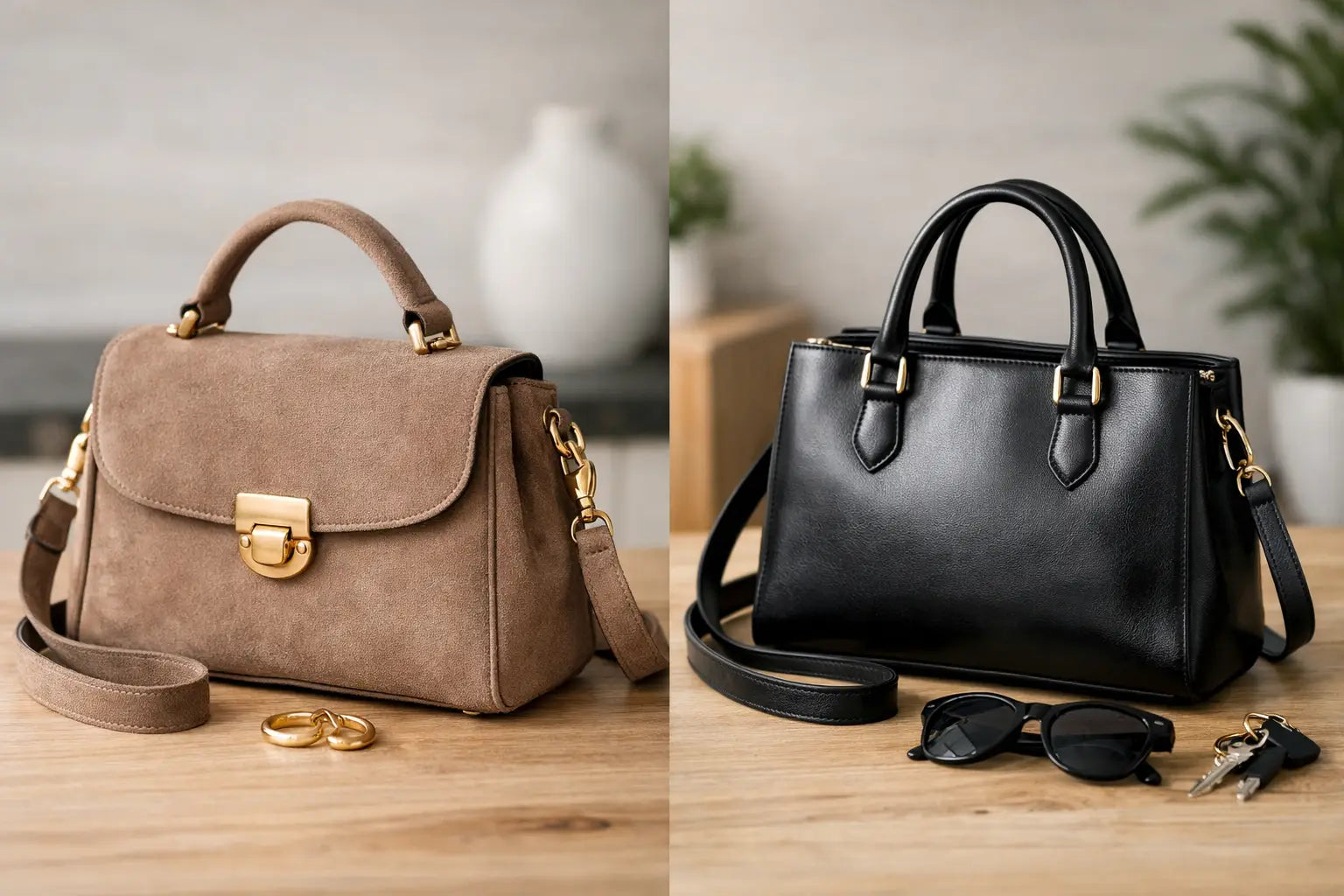
A handbag can change the entire impression of an outfit before you say a word. In the choice between suede versus leather handbags, the right answer is less about rules and more about how you move through your day. One offers soft, tactile richness and a fashion-led finish; the other brings structure, durability, and reliable polish from commute to dinner.
For a wardrobe built around modern versatility, both materials deserve a place. The smarter choice comes down to your routine, climate, preferred silhouette, and how much maintenance you are prepared to give a bag that earns its place in your rotation.
Suede Versus Leather Handbags: The Style Difference
Suede has an unmistakable visual warmth. Its brushed surface absorbs light rather than reflecting it, creating a soft, dimensional finish that makes even a minimal crossbody or shoulder bag feel considered. It has a relaxed luxury that works beautifully with knitwear, tailored wool, denim, and tonal dressing. Think espresso brown, deep burgundy, olive, or warm camel paired with a long coat and polished boots.
Leather has a cleaner, more defined presence. Smooth leather catches the light, holds a sharper line, and can make an outfit feel instantly more intentional. A structured leather tote brings authority to workwear, while a compact leather crossbody gives jeans and a white shirt a refined finish. It is the material to reach for when you want a bag to look crisp, elevated, and ready for anything on the calendar.
Neither is automatically more luxurious. Quality, construction, silhouette, and finish all matter. A beautifully made suede crescent bag can feel just as premium as a polished leather satchel. The distinction is in the mood: suede feels softer and more expressive, while leather feels sharper and more enduring.
Choose for Your Real Routine, Not Just the Look
A bag should support the way you actually live. If your day includes a crowded commute, unpredictable weather, client meetings, and a late dinner, leather is often the more forgiving companion. It is especially practical in structured work bags, laptop totes, travel duffels, and roomy shoulder bags that need to retain their shape while carrying more than the essentials.
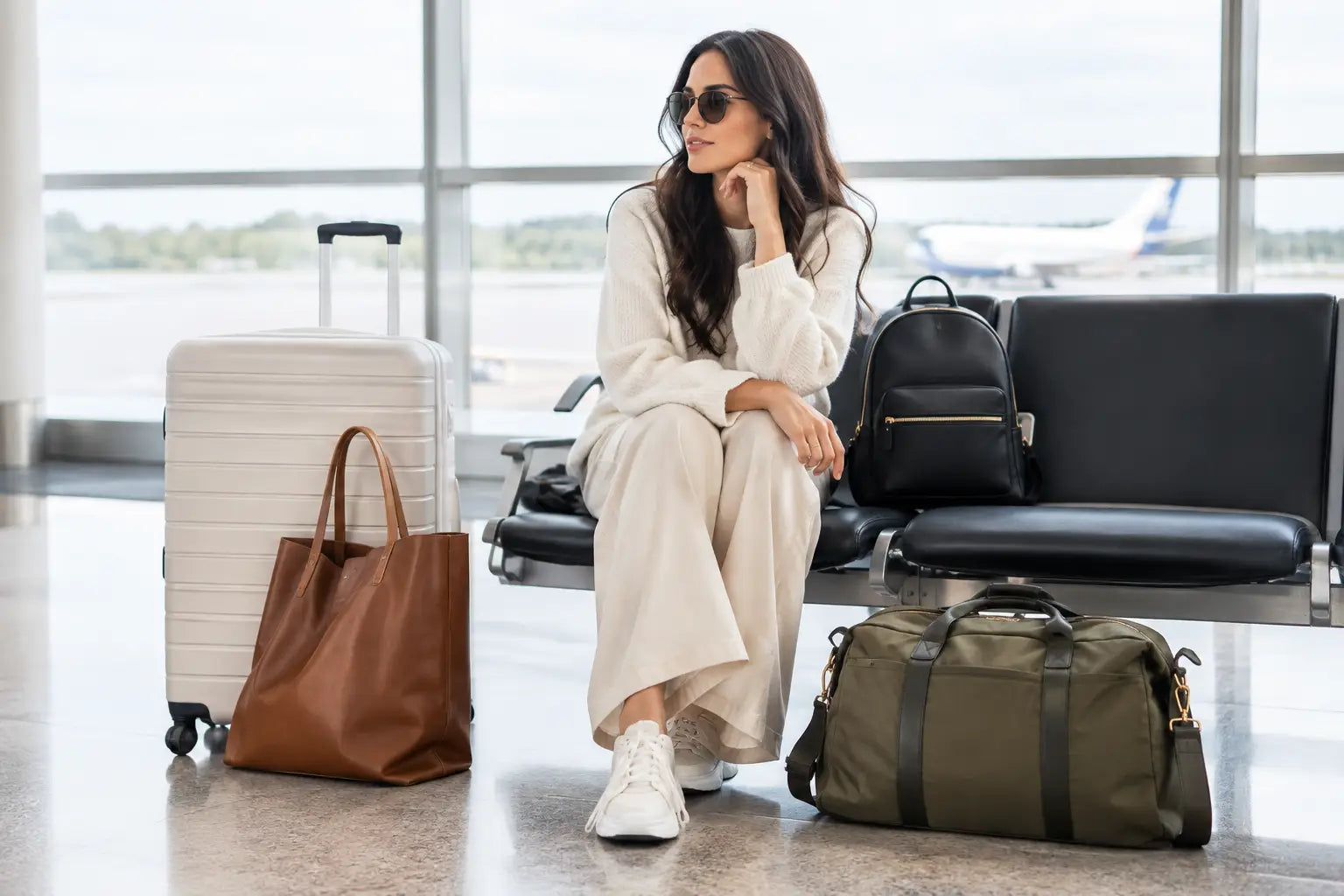
Leather also works well for frequent travelers. It handles the repeated movement of overhead compartments, hotel lobbies, and airport transfers with more confidence than suede. Small surface marks may develop over time, but on many leather finishes, that gradual wear becomes part of the bag's character rather than a reason to retire it.
Suede is ideal when style and texture are leading the decision. A smaller suede handbag is a strong choice for weekends, dinners, city plans, and moments when your bag is meant to bring depth to an otherwise simple outfit. It can also work for daily use if you have a predictable routine and are willing to avoid heavy rain, rough surfaces, and overstuffing.
There is a useful middle ground here. You do not need to reserve suede for special occasions, nor does leather have to look corporate. A slouchy suede hobo can make an everyday uniform feel richer, while a softly structured leather tote can feel effortless rather than formal. Match the material to the role the bag needs to play.
For work and commuting
Leather has the advantage when organization and a polished silhouette matter most. Choose a medium or large leather tote with secure closures, interior pockets, and enough structure to keep a laptop, notebook, charger, and daily essentials in place. Black, chocolate, navy, and taupe will move easily through a professional wardrobe without feeling predictable.
Suede can still work in creative offices or less formal settings. A suede shoulder bag in a dark neutral feels elevated with tailoring, but it is best when you are not routinely setting it down on train floors or navigating wet sidewalks.
For travel and weekends
Leather is a practical choice for a carry-on tote, crossbody, or duffel because it is easier to wipe down after a busy travel day. A pebbled or grained finish is particularly forgiving, since its textured surface helps disguise minor scuffs. For hands-free movement, a leather crossbody keeps your look composed while your essentials stay close.
Suede shines in the lighter, more style-led part of the weekend. A compact suede bag adds a luxurious contrast to denim, oversized shirting, and relaxed tailoring. It feels especially right for a brunch reservation, gallery visit, or evening out where the bag is part of the styling rather than simply a place to store your phone.
Durability, Weather, and Everyday Wear
Leather is generally the more resilient material, particularly when it has a protective finish. It tolerates regular use well, and many marks can be minimized with careful cleaning and conditioning. However, leather is not maintenance-free. It can dry out, scratch, or lose its shape if neglected or overloaded. The best habit is simple: store it filled with tissue or a bag insert, keep it away from direct heat, and condition it occasionally with a product designed for its specific finish.
Suede requires more attention because its nap can show water spots, oil marks, and color transfer more easily. Rain is suede's biggest challenge. A brief drizzle does not necessarily ruin a bag, but repeated exposure can alter the texture and leave uneven marks. If you choose suede for regular wear, apply a suede-safe protectant before its first outing and refresh it as needed.
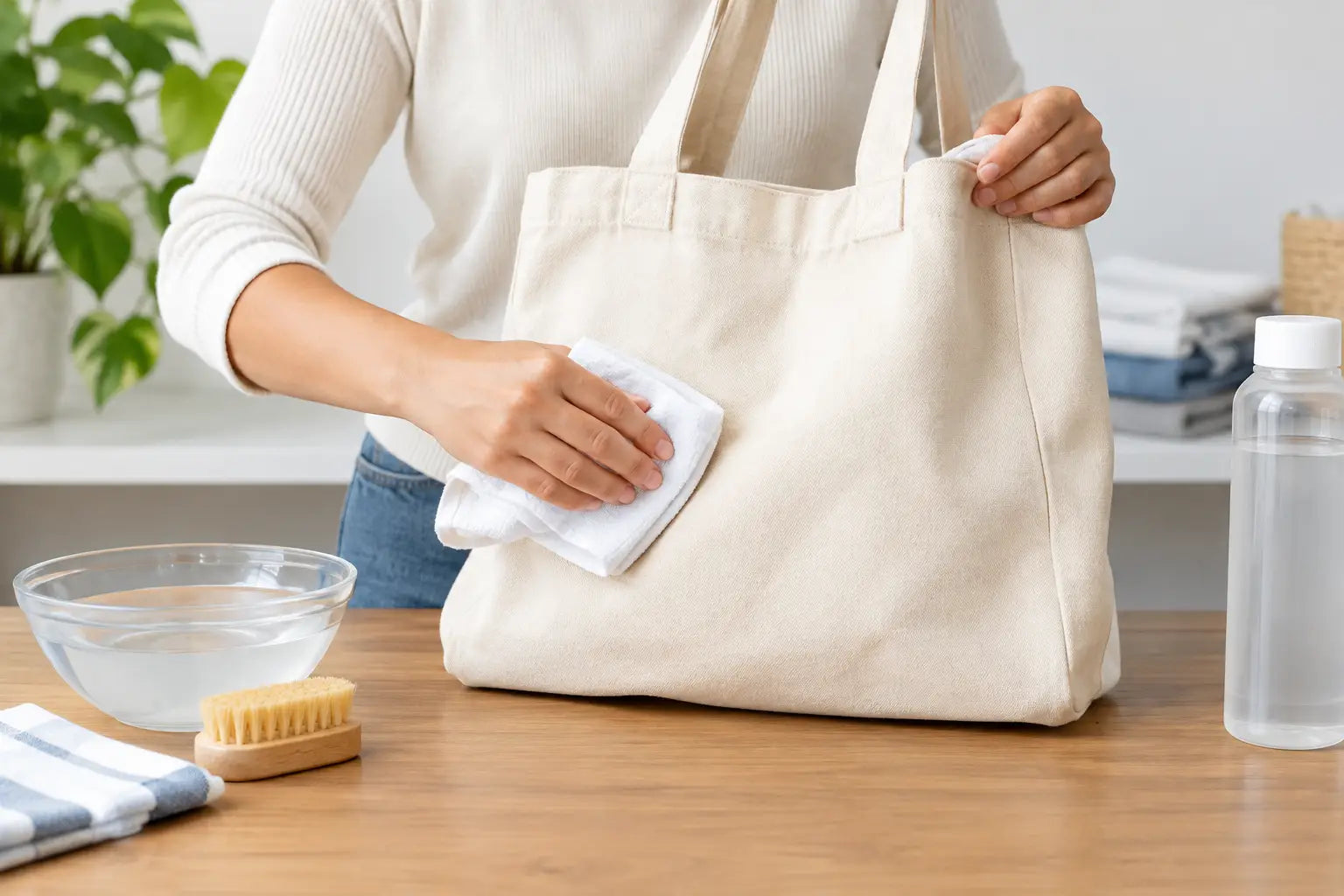
A suede brush is worth keeping on hand. Gentle brushing helps lift the nap and refresh the surface after use. For light marks, act quickly and avoid using water or general-purpose cleaners. Suede responds best to products made specifically for suede, along with a light touch. Aggressive rubbing can create a more noticeable patch than the original mark.
Color matters, too. Dark brown, charcoal, navy, and black suede are more forgiving than pale beige or blush. With leather, lighter shades may show denim transfer and surface scuffs more readily, while textured, mid-tone finishes are excellent for high-use bags.
Shape and Structure Matter as Much as Material
The silhouette you choose can change the practical equation. Smooth leather is a natural match for structured satchels, top-handle bags, and work totes because it supports clean edges and a tailored appearance. Pebbled leather offers a more relaxed alternative with added texture and daily durability.
Suede is particularly beautiful in softer shapes. Hobo bags, crescent bags, drawstring styles, and relaxed shoulder bags allow the material to show its fluidity. A supple suede bag can look expensive precisely because it does not feel overly rigid. It brings an ease to outfits that might otherwise appear too polished.
If you need one bag to do almost everything, consider a medium leather shoulder bag or crossbody in a neutral shade. It offers enough refinement for meetings, enough durability for city movement, and enough versatility to pair with casual looks. If your collection already has that dependable anchor, a suede bag is the more expressive second choice.
How to Build a More Versatile Bag Wardrobe
The most stylish approach is not choosing one material forever. It is giving each one a clear role. Leather can be your weekday foundation: the work tote, the travel-ready crossbody, the structured bag that brings polish to a fast-moving schedule. Suede can be your texture piece: the bag that softens tailoring, adds depth to neutrals, and makes a simple look feel thoughtfully styled.
For shoppers building a collection from the ground up, start with leather in a silhouette that solves your biggest everyday need. A well-chosen tote, backpack, or crossbody delivers lasting value because it will be carried often and styled easily. Add suede when you want your accessories to feel more seasonal, tactile, and fashion-forward.
At Kelexia, the strongest bag choice is always the one that keeps pace with your life while sharpening your personal style. Choose leather when you need dependable structure. Choose suede when you want softness with presence. Then carry the one that makes getting dressed feel a little more effortless.