Cart
0
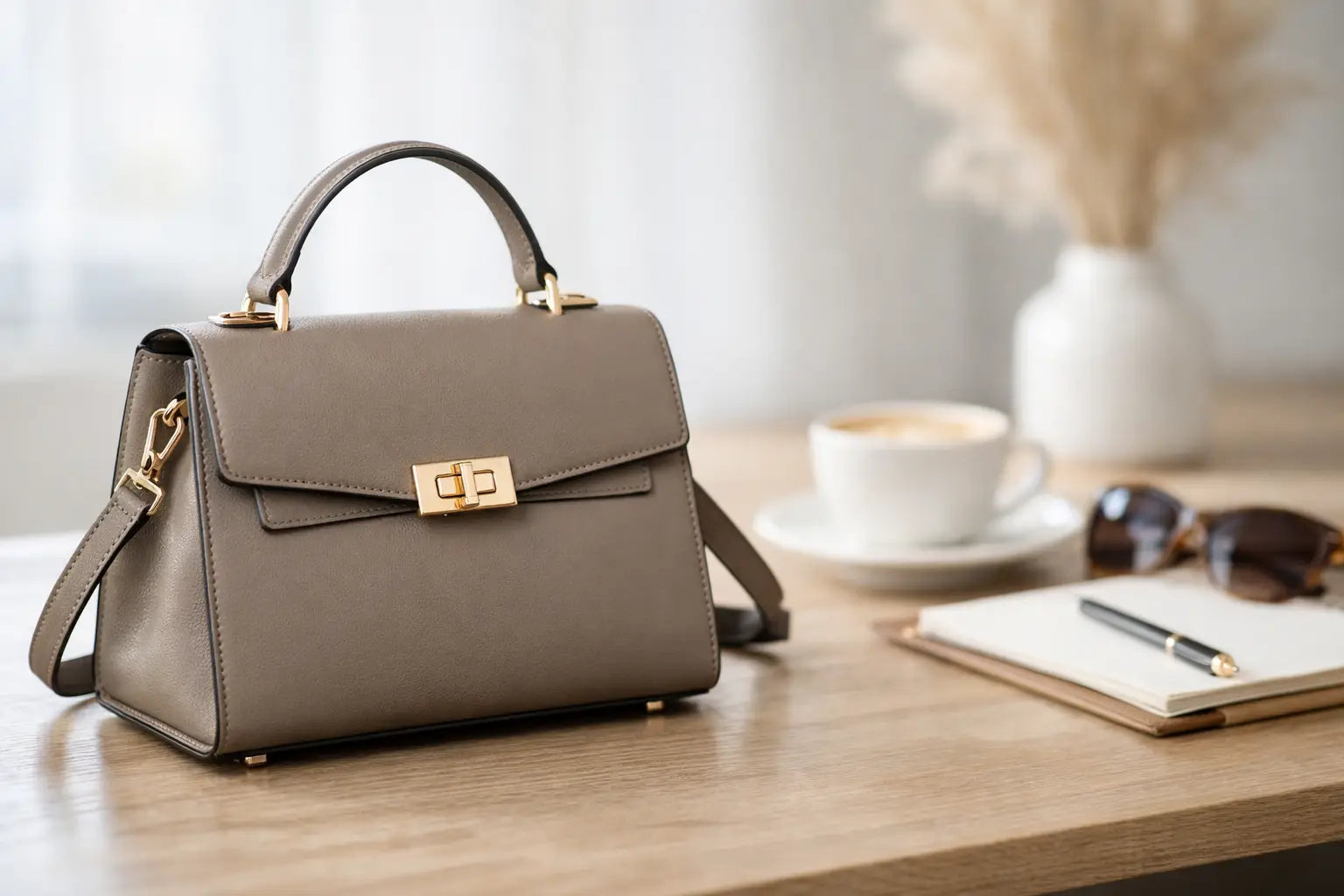
Some bags look polished on a shelf, then collapse into chaos by lunchtime. That is the real test of a structured handbag for everyday use - not whether it photographs well, but whether it keeps its shape, holds your essentials, and still feels refined when your day runs from coffee to commute to dinner.
A structured silhouette has a distinct advantage in daily life. It creates order before you even reach inside. Your phone is easier to find, your laptop or notebook sits more securely, and the bag itself instantly sharpens whatever you are wearing. The effect is subtle but powerful. Denim, tailoring, sneakers, or loafers all look more considered when paired with a bag that has clean lines and intention.
That said, not every structured bag belongs in an everyday rotation. Some are too rigid to be comfortable, too small to be useful, or too formal for the way real days unfold. The best choice sits in the middle - elegant enough to elevate your look, practical enough to keep up.
Why a structured handbag for everyday use works
Soft bags have their place. They can feel relaxed, lightweight, and easy. But if your schedule includes commuting, meetings, errands, school drop-off, or after-work plans, structure brings a different kind of luxury. It gives your day shape.
A well-made structured handbag for everyday use helps you stay organized without looking overtly utilitarian. It can carry the pieces that matter - wallet, keys, phone, sunglasses, makeup pouch, charger, notebook - while maintaining a sleek exterior. You get utility, but the visual message is still polished.
There is also a styling advantage. Structured bags tend to read as timeless rather than trend-led. They work with a capsule wardrobe, but they also add discipline to more relaxed outfits. A crisp tote or satchel can make an oversized knit feel intentional. A compact top-handle bag can clean up the lines of a blazer and jeans. The bag is doing practical work, but it is also refining the entire look.
How to choose a structured handbag for everyday use
The right bag starts with your routine, not just your wishlist. If you carry a laptop every day, a small top-handle style may look chic but quickly become frustrating. If most days only require your phone, card case, and a few extras, an oversized tote may feel bulky and unnecessary.
Start with capacity. Think about what you actually carry from Monday through Friday, not what you carry once a month. A truly useful everyday bag should fit your core essentials comfortably, with a little room to spare, without becoming a catchall for everything you do not need.
Shape matters too. Structured does not have to mean boxy. A slim tote, a refined satchel, a polished shoulder bag, or a softly architectural crossbody can all offer enough form to stay elevated. The best silhouette depends on how formal or relaxed you want your wardrobe to feel.
Then consider opening and access. A bag with beautiful structure but an awkward closure can slow you down every time you reach for your phone or keys. Zip-top styles feel more secure for commuting and travel. Open-top bags can work beautifully for office days when you want easy access. Flap closures often look refined, though they can be less practical if you are constantly in and out of the bag.
Size is where most shoppers get it wrong
The most common mistake is choosing size based on appearance alone. A bag may look perfectly proportioned online but fail in real life if it cannot support your routine.
For everyday use, medium usually wins. It is large enough to hold what you need and compact enough to avoid feeling heavy by mid-afternoon. If your day regularly includes a tablet, planner, water bottle, or cosmetics case, you may want a larger structured tote. If your lifestyle is lighter and more mobile, a medium satchel or shoulder bag often feels smarter.
There is always a trade-off. Bigger bags offer flexibility, but they can encourage overpacking. Smaller bags look neat and modern, but they demand restraint. The right answer depends on whether your day is desk-based, city-based, car-based, or constantly in motion.
Interior organization makes all the difference
A structured exterior is only half the story. Inside, the bag should support the way you move.
Look for thoughtful compartments, but not so many that the interior becomes stiff or overbuilt. A zip pocket for valuables, slip pockets for quick-grab items, and one central main compartment often strike the best balance. You want the bag to guide organization, not complicate it.
This is especially important if you use one bag across multiple settings. A good everyday bag should move from work to weekend without needing a full reset. When your essentials have a natural place, getting out the door feels faster and the bag continues to look composed.
Materials that hold their shape beautifully
Material changes the character of a structured bag. Leather and high-quality vegan alternatives tend to offer the most refined finish for everyday wear because they hold shape while still feeling elevated. Textured finishes can be especially practical, since they are often more forgiving of scratches and regular handling.
If you want a bag that looks pristine with minimal effort, a pebbled or saffiano-style texture can be a smart choice. Smooth finishes feel sleek and luxurious, but they may show wear more quickly depending on your routine. If your bag will be set down often, carried on transit, or packed full, durability should matter as much as appearance.
Hardware is another detail worth noticing. Clean metal accents, secure feet, reinforced handles, and a sturdy zipper can make the difference between a bag that feels premium and one that simply looks the part.
Comfort should never be an afterthought
A beautiful bag that hurts to carry becomes a special-occasion piece by default. For everyday wear, comfort is part of the luxury.
Pay attention to strap drop, handle shape, and weight before filling the bag. Structured styles can become heavy faster than softer designs, especially if they feature thicker material or extra hardware. If you commute on foot or spend long hours out, a shoulder strap or crossbody option adds versatility that you will appreciate.
Top-handle bags can look incredibly chic, but they are not always ideal for full-day use unless they also offer a longer strap. Totes distribute weight well, though very wide bags can start to feel cumbersome in crowded spaces. Shoulder bags are often the sweet spot for daily movement, provided the strap sits comfortably over outerwear.
The colors that work hardest
Black is the obvious classic, and for good reason. It is sleek, dependable, and easy to style. But it is not your only polished option.
Taupe, espresso, deep olive, navy, and rich burgundy all bring the same versatility with a slightly more curated point of view. These shades feel timeless while adding dimension to neutral wardrobes. If your closet leans heavily on cream, camel, gray, or denim, these colors can be especially strong.
A structured handbag for everyday use should feel easy to repeat. That is why the best color is usually one that works with at least eighty percent of your wardrobe. If you have to think too hard about matching it, it will not become your go-to.
Styling a structured bag without looking overdressed
One of the best things about structure is that it does not require a formal outfit. In fact, the contrast is often what makes it modern.
Pair a structured tote with relaxed trousers and a knit for an office look that feels composed but not severe. Wear a satchel with jeans, a white shirt, and flats for a clean off-duty uniform. Choose a compact shoulder bag with a blazer and sneakers when you want something that feels current and pulled together.
The key is balance. If the bag is sharply structured, the rest of the outfit does not have to be. That mix creates effortless sophistication rather than stiffness.
When structure is not the best choice
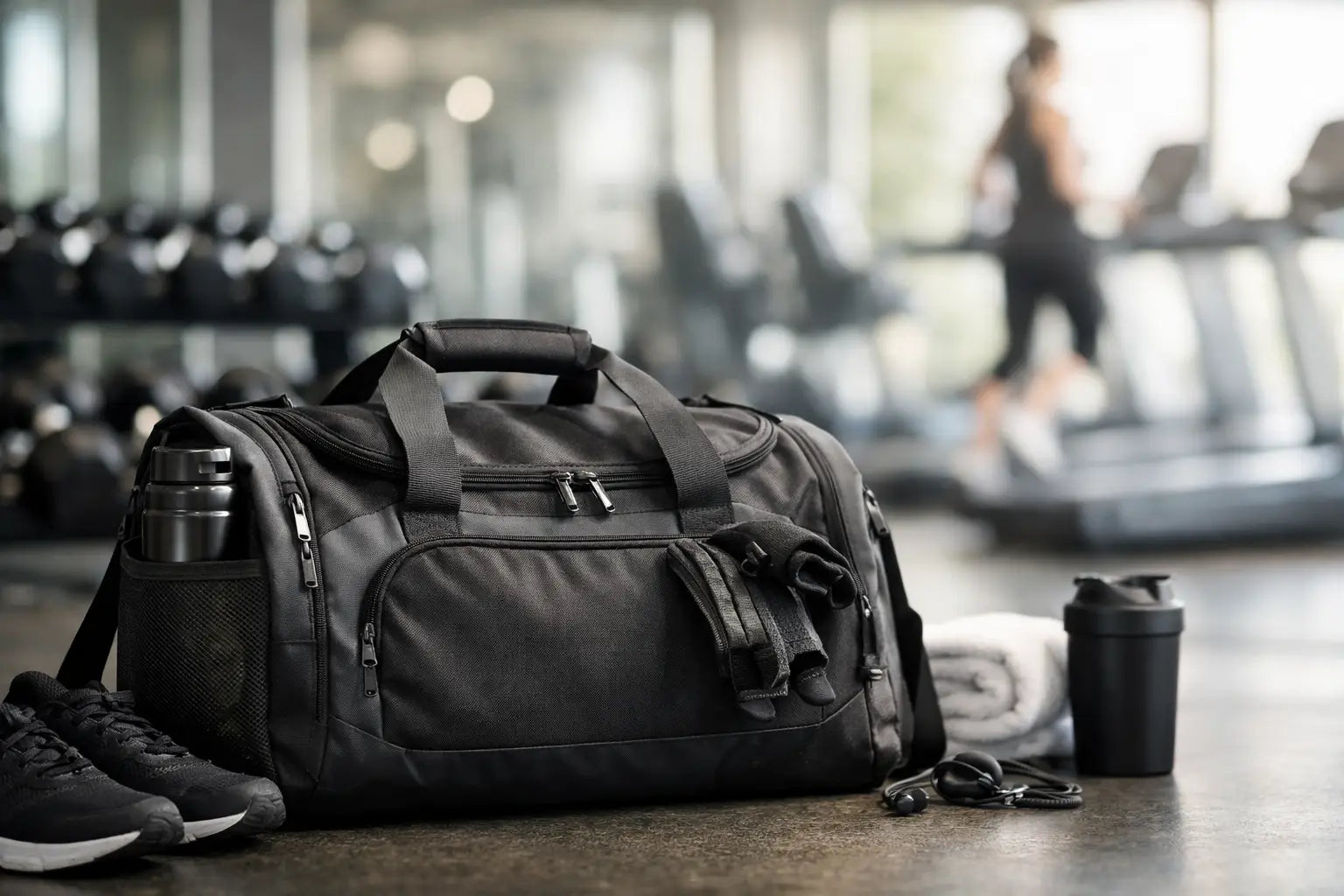
There are times when a structured bag is not ideal. If you travel light and prefer hands-free ease, a softer crossbody may feel better. If your workday requires carrying gym gear, baby items, or bulky layers, an ultra-structured silhouette can feel restrictive. And if you prioritize packability for travel, soft construction has a clear advantage.
That does not mean giving up polish. It simply means choosing the right level of structure for your lifestyle. Some of the best everyday bags combine a defined base and clean lines with enough flexibility to move naturally.
A bag should never ask you to build your day around it. It should support the way you already live, then make it look more refined.
The smartest purchase is not the bag that feels impressive for five minutes. It is the one you reach for every morning without hesitation because it carries what you need, sharpens your look, and keeps pace with everything on your calendar. When a structured handbag gets that balance right, it stops being an accessory and starts becoming part of your signature.