Cart
0
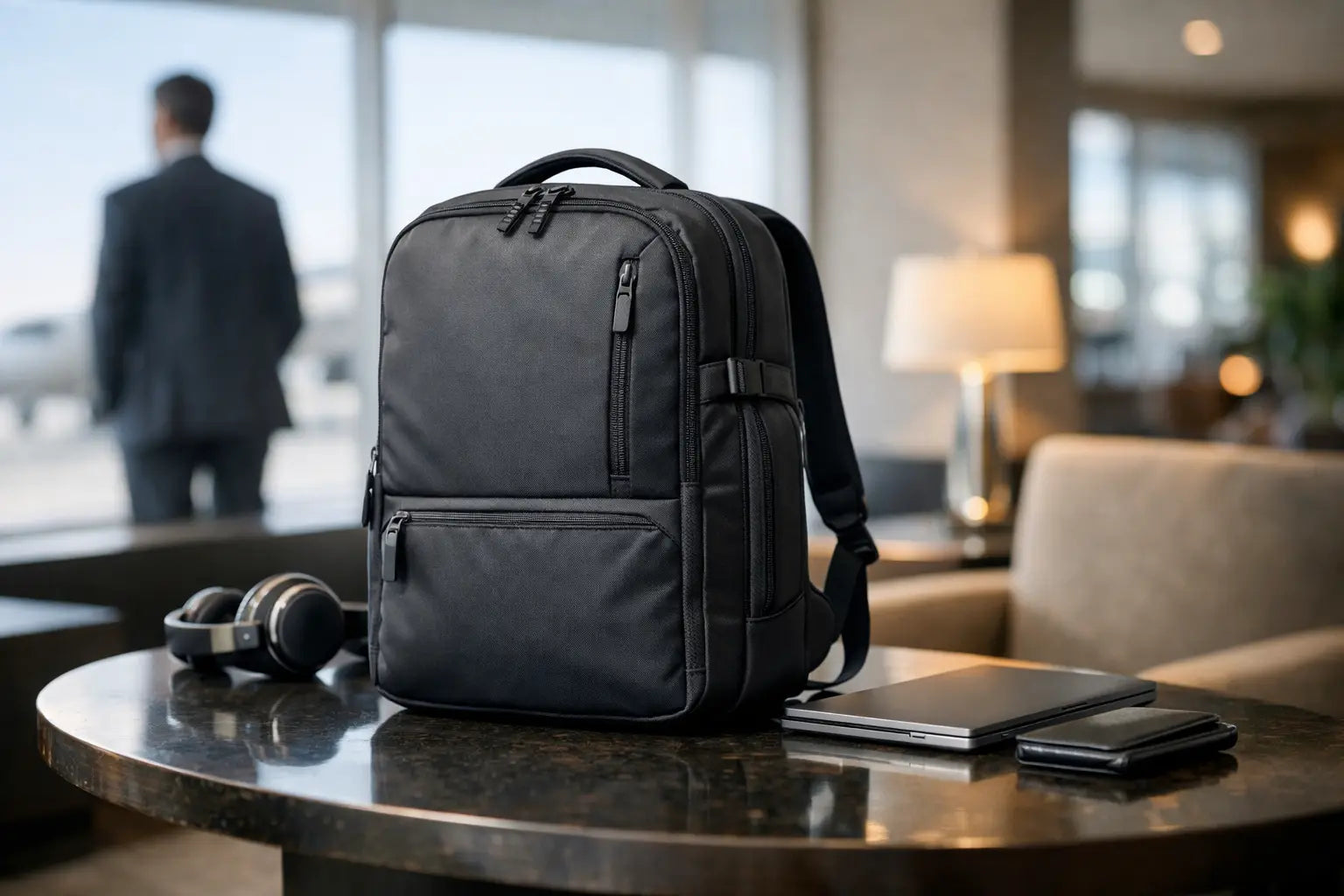
A backpack can make a smart airport look feel considered or completely compromise it. This modern travel backpack review looks beyond the usual promise of extra pockets to focus on what style-conscious travelers actually need: a polished silhouette, practical organization, reliable comfort, and the flexibility to move from a flight to a meeting without carrying a second bag.
The right travel backpack is not simply luggage with shoulder straps. It is a wardrobe essential for the traveler who expects one piece to handle the terminal, a client presentation, a hotel lobby, and an afternoon in the city with equal confidence. The difference is in the details: clean lines, thoughtful access, materials that hold their shape, and proportions that look elevated rather than overly technical.
What Makes a Modern Travel Backpack Worth Carrying?
A modern travel backpack earns its place when it removes friction from the trip without looking like an afterthought. It should keep your essentials close, protect the items you rely on most, and work with the clothes you already wear. A tailored blazer, relaxed denim, airport sets, and polished sneakers all benefit from a bag that feels refined and intentional.
The best designs favor a streamlined exterior over an excess of dangling straps, oversized logos, and compartments that create bulk. That restraint matters. A structured profile is easier to wear through busy stations and crowded gates, but it also reads more sophisticated once you arrive.
Function still has to lead the decision. A beautiful backpack that makes you unpack half your belongings to reach a charger is not a luxury. Look for an opening that gives you a clear view of the interior, plus dedicated space for your laptop, travel documents, water bottle, and smaller valuables. Organization should feel intuitive, not like a puzzle.
Modern Travel Backpack Review: The Features That Matter
A silhouette that holds its shape
A travel backpack can be spacious without appearing oversized. The most versatile options have a slightly structured body that stays neat when partly filled and remains balanced when packed for a short trip. Soft, slouchy bags can be elegant for an everyday tote, but on travel days they may sag, tip over, or make it harder to find what you need.
Choose a shape that sits close to the body and does not extend too far outward. This makes a difference in airplane aisles, commuter trains, and busy coffee shops. A clean, architectural form also transitions easily into a business setting, particularly in black, espresso brown, deep navy, or a refined neutral.
Easy access without visual clutter
The feature most travelers notice after the first trip is access. A backpack may have generous capacity, yet still feel frustrating if the main compartment opens only from the top and turns every item into a search. A wide zip opening or suitcase-style panel access makes packing more deliberate and unpacking far less chaotic.
Quick-access pockets are equally valuable when they are placed with purpose. Your passport, phone, boarding pass, and keys should be reachable without exposing the entire contents of the bag. Interior zip pockets keep smaller essentials contained, while a discreet exterior pocket can save time during security lines.
There is a trade-off, however. Too many compartments can make a bag heavier and visually busier. For most travelers, a well-designed main compartment, a padded technology sleeve, and two or three smaller zones are more useful than a dozen narrow pockets.
Protection for work essentials
For professionals, a padded laptop compartment is not an optional extra. It should fit the device securely, ideally in a separate section that can be accessed without disrupting clothing or toiletries. A raised base is a welcome detail because it prevents the laptop from resting directly on the ground when the bag is set down.
Consider how you travel before choosing the sleeve size. A compact backpack may feel more elegant and easier to use as a personal item, but it may only suit a smaller laptop and one overnight change. If you routinely carry a 16-inch device, presentation materials, and a full day of essentials, a larger profile is the more sensible choice.
Comfort that does not spoil the look
Slim straps may look minimal, but they should still have enough padding to distribute weight comfortably. This matters most when the bag is loaded with technology, a charger, a water bottle, and travel layers. Breathable back padding can help on longer walks, while an adjustable sternum strap offers added support for heavier packing.
Not everyone needs the most technical carrying system. If your backpack is primarily for weekend breaks and airport-to-hotel movement, understated shoulder straps may be entirely sufficient. If you walk city blocks, commute daily, or use the bag as your only luggage, comfort deserves more weight in the decision.
Materials that stay polished in motion
A premium travel backpack should look good after the taxi ride, the overhead bin, and the hotel check-in. Durable nylon, coated canvas, pebbled vegan leather, and carefully finished leather can all work beautifully, depending on your priorities. The key is a material that resists scuffs, wipes clean easily, and maintains a refined finish.
Leather delivers timeless elegance, especially for business-forward travel, but it can add weight and demand more care in wet weather. Lightweight nylon is practical for frequent flyers and active weekends, though it needs a thoughtful finish and strong hardware to avoid looking overly casual. The ideal choice depends on whether your priority is a fashion-led statement, low-maintenance utility, or a measured balance of both.
Capacity: Think in Travel Scenarios, Not Just Liters
Capacity numbers can be useful, but they do not tell the full story. A bag’s layout often determines whether it feels spacious or restrictive. For a one-night business trip, you need room for a laptop, toiletries, underlayers, a change of clothes, and a few personal essentials. For a long weekend, you may also need shoes, a light jacket, and more considered outfit options.
A compact travel backpack is ideal when you prefer to travel light and want a polished piece that can continue into your workday. A mid-size design is usually the sweet spot for travelers who want to avoid a rolling suitcase on short trips. Larger backpacks offer more freedom, but they can lose their elegant proportions when overfilled and may not meet every airline’s personal-item requirements.
Pack with intention. Use the main space for soft items, keep technology in its designated sleeve, and reserve smaller compartments for objects that need immediate access. A carefully organized backpack looks better, carries better, and prevents the small frustrations that disrupt a trip.
Details That Separate a Good Bag From a Great One
Hardware is easy to overlook until it fails. Smooth, substantial zippers, reinforced handles, tidy stitching, and secure strap anchors signal that a bag is built for regular use. A luggage sleeve is another detail worth considering for travelers who occasionally pair their backpack with a rolling case. It keeps your hands free and your look composed between connections.
Security matters, but it does not have to dominate the design. Lockable zipper pulls, hidden pockets, and close-to-body storage can offer reassurance without turning the bag into tactical gear. For international travel or crowded urban routes, these features may be essential. For a simple domestic overnight trip, a secure interior pocket may be enough.
Color also deserves more thought than it often receives. Black is classic and forgiving, while rich brown and taupe can bring warmth to a neutral wardrobe. If you want one backpack for travel, work, and weekend plans, choose a shade that complements your outerwear and daily shoes rather than a color that only suits vacation mode.
Who Benefits Most From This Style of Backpack?
The modern travel backpack is especially compelling for the person whose itinerary rarely stays in one lane. It suits the consultant heading from the airport to a meeting, the parent managing a day of essentials with a carry-on in tow, and the city traveler who wants hands-free practicality without sacrificing personal style.
It is less ideal if you regularly pack for extended trips, carry specialty equipment, or need the formal structure of a briefcase at every professional occasion. In those cases, a rolling carry-on, garment bag, or dedicated work bag may serve you better. The most stylish choice is the one that supports the way you actually move.
A well-chosen backpack should make travel feel lighter, even when your schedule is full. Choose the shape that flatters your routine, the organization you will genuinely use, and a finish that still feels polished when the journey runs long. Secure the bag that is ready for the destination and every moment that happens before it.