Cart
0
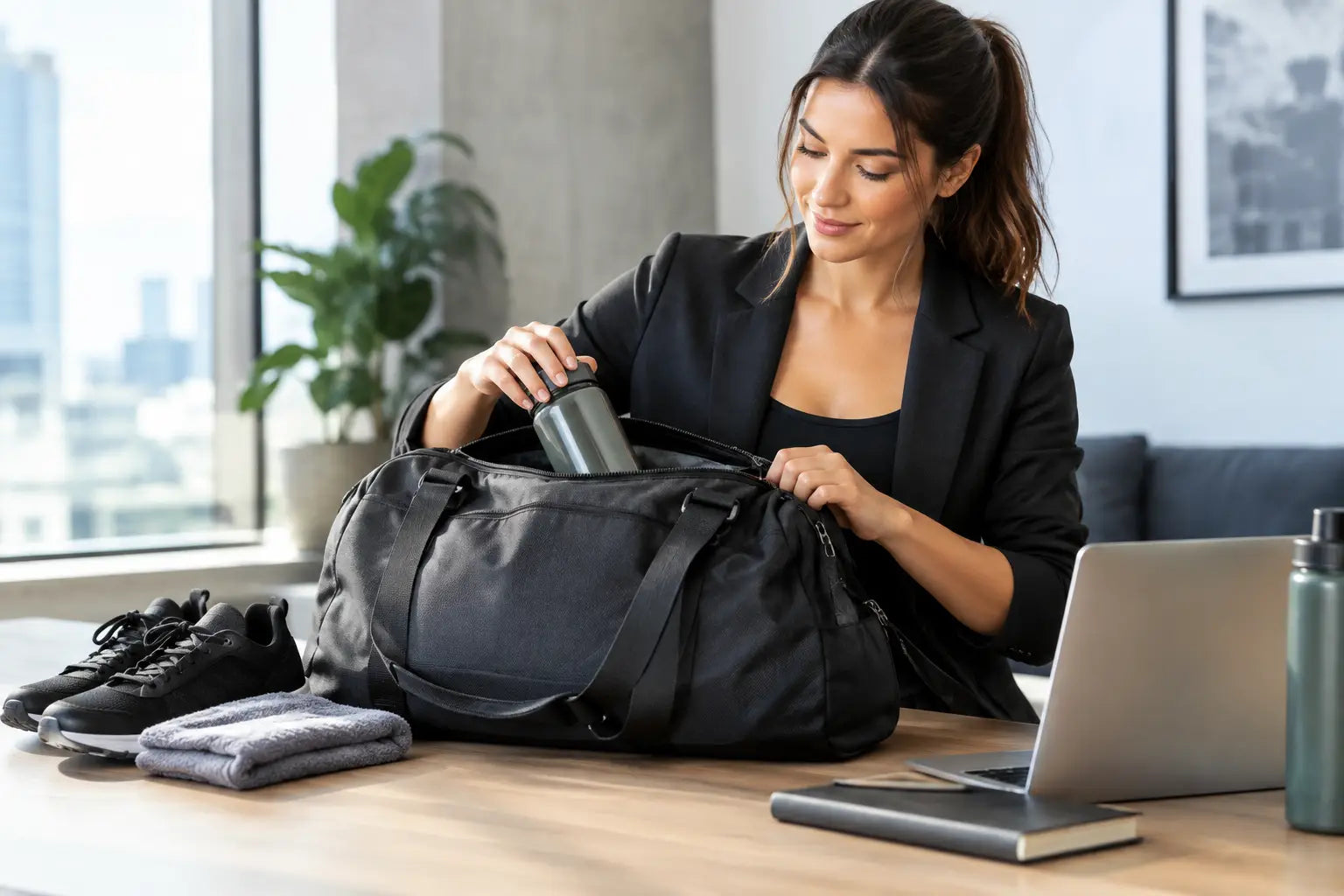
The best gym bag should never make your day feel more complicated. It should carry your training essentials, fit naturally into your commute, and still look considered when you walk into a coffee shop or office afterward. Learning how to pick gym bags comes down to balancing capacity, organization, comfort, and personal style - not simply choosing the biggest duffel on the shelf.
For the modern routine, a gym bag is rarely only a gym bag. It may travel from an early workout to a client meeting, accompany a weekend trip, or sit beside your desk until the evening. Choose one that supports every stop with effortless sophistication.
How to Pick Gym Bags That Match Your Routine
Start with the way you actually move through the week. Someone who visits the gym before work needs different features than someone who packs for a post-office class or a full weekend away. A compact bag can look sleek and stay easy to carry, but it will feel limiting if you regularly pack shoes, a change of clothes, a towel, and shower essentials.
Think about your usual load rather than the occasional heavy day. If you carry only training clothes, headphones, a water bottle, and small toiletries, a structured medium-size duffel or elevated backpack may be enough. If your bag also needs to hold work essentials or travel layers, choose a roomier design with a clean silhouette. Generous capacity is useful, but an oversized bag can quickly lose its polish when it is only half full.
The goal is a bag that looks intentional in motion. A refined shape, balanced proportions, and a neutral or versatile color make it easier to carry from the locker room to the rest of your schedule without looking overly sporty.
Choose the Right Gym Bag Shape
The right silhouette affects both appearance and daily practicality. There is no single best option. It depends on what you carry and how you prefer to move.
The duffel for versatile capacity
A duffel remains a smart choice for people who need space without sacrificing a polished appearance. It suits gym sessions that require shoes, extra clothing, and a fuller toiletry kit, while its broad opening makes packing and finding items simpler. Look for a design with structure rather than a completely soft, collapsing body. It will hold its shape better and appear more elevated when carried into work or on a short trip.
A duffel is especially useful when your gym routine overlaps with travel. The trade-off is that it can become heavy when packed carelessly, so comfortable handles and an adjustable shoulder strap matter as much as capacity.
The backpack for hands-free movement
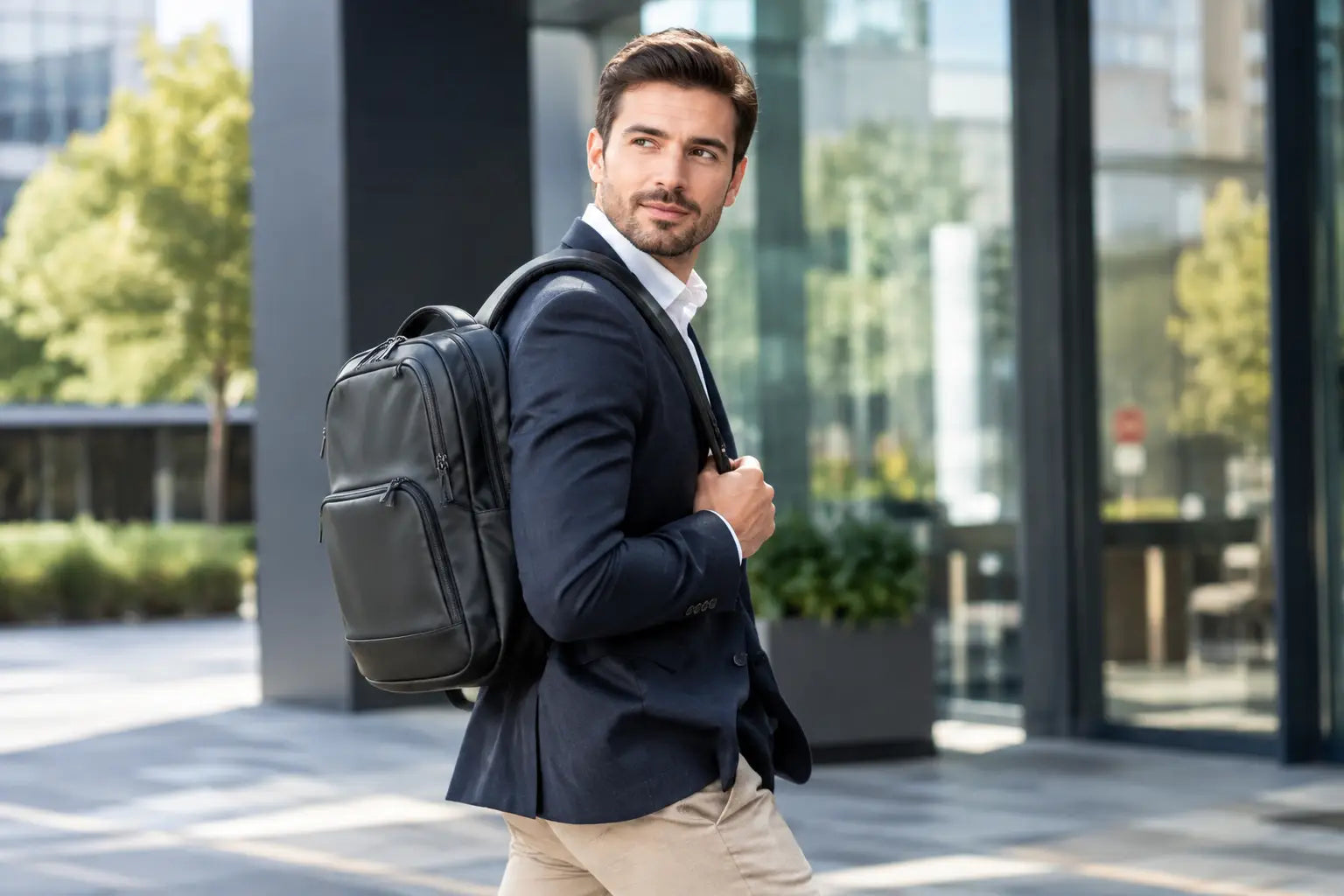
For commuters, a backpack offers excellent balance. It keeps both hands free for a phone, coffee, transit card, or luggage handle, and it distributes weight more comfortably across the shoulders. A streamlined backpack can also transition easily into a business-casual setting, particularly when it has a structured profile and minimal exterior clutter.
The limitation is access. Deep backpack compartments can turn into a search zone if there is no internal organization. Choose one with a separate area for shoes or damp clothing, plus dedicated sleeves and pockets for your smaller essentials.
The tote for a lighter gym-to-office schedule
A spacious tote works beautifully for low-equipment workouts, studio classes, or quick visits where you only need a change of clothes and personal items. It has a naturally sophisticated look and can pair well with office attire. However, an open tote may not be ideal for crowded commutes or loose gym gear. A secure closure and well-planned interior sections make all the difference.
The crossbody or compact carry for essentials only
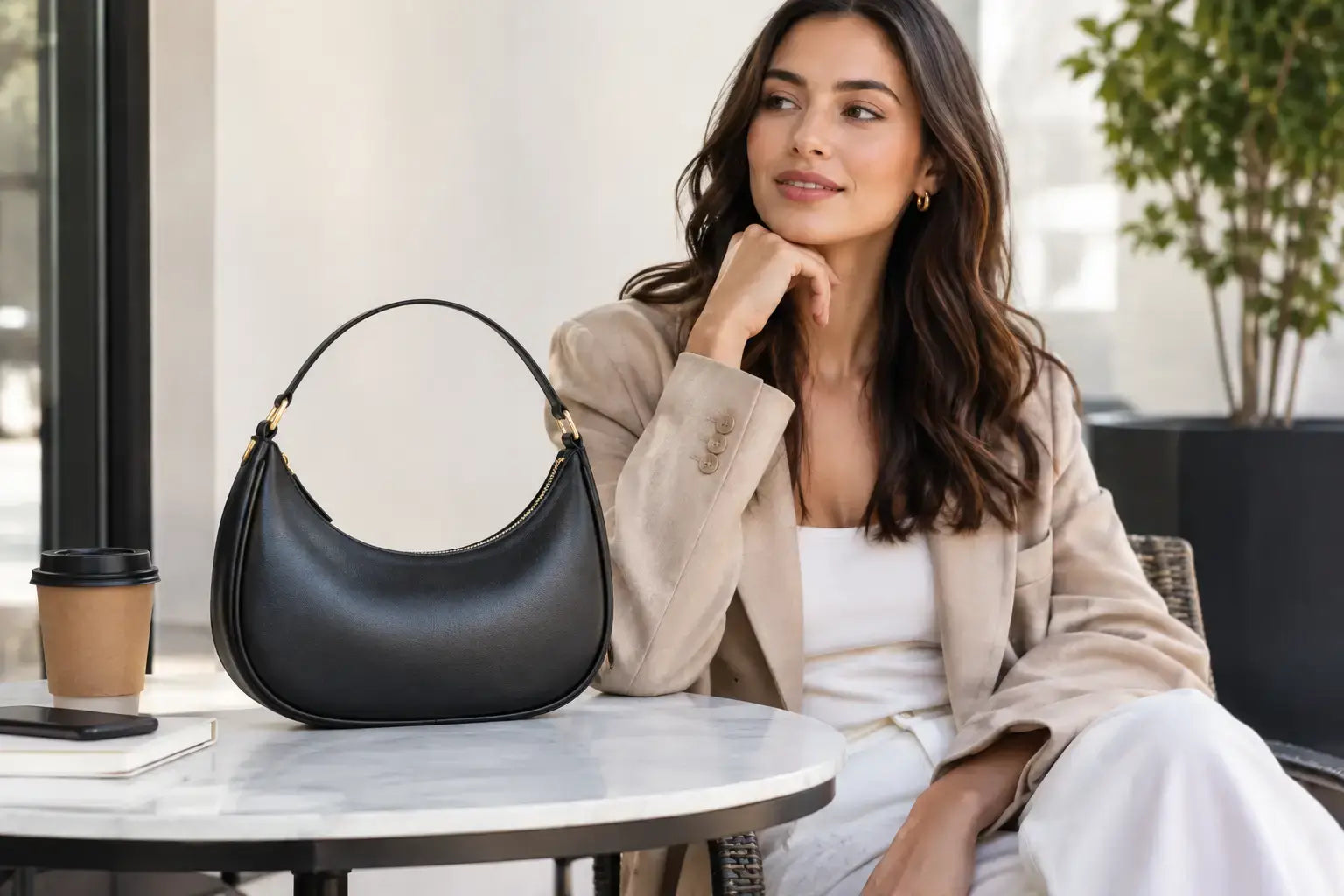
If the gym provides lockers and you train light, a compact crossbody or smaller carryall may be all you need. This option keeps the look sharp and the load minimal, but it is not designed for sneakers, bulky towels, or multiple outfit changes. It is best for the person whose workout essentials are genuinely edited.
Prioritize Organization Over Extra Pockets
A gym bag does not need endless compartments. It needs the right compartments. Smart organization prevents the familiar problem of clean clothes touching used gear, loose keys falling to the bottom, or a leaking bottle soaking everything else.
Start with separation. A dedicated shoe compartment is valuable if you wear trainers outdoors or carry a second pair for training. A ventilated area for worn clothing is equally helpful, especially when your next stop is the office, dinner, or a long commute. If your bag does not have a distinct wet or shoe section, use a washable pouch to create one.
Then consider quick-access storage. Your phone, wallet, keys, earbuds, membership card, and locker lock should be easy to reach without opening the main compartment. Interior zip pockets add security for valuables, while an exterior pocket can be useful for items you need in a hurry. Keep the layout simple enough that you can find what you need without turning your bag upside down.
For a gym-to-work bag, a protected sleeve for a laptop or tablet can be worth prioritizing. Just make sure it is separate from your water bottle and shower products. Elegant design should support the details of real life.
Look Closely at Comfort and Construction
A bag can look refined online and still disappoint once it is loaded. Before choosing, pay attention to the parts that will carry the weight: handles, straps, zippers, lining, and base.
Handles should feel substantial and sit comfortably in the hand. A shoulder strap should be adjustable so you can position the bag at a comfortable height, and padding is a welcome detail for heavier loads. If you choose a backpack, look for adjustable, supportive straps that do not dig in during a longer walk.
Durable materials and a reinforced base help a gym bag stay composed through daily use. Floors in locker rooms, car trunks, and airport terminals are not always kind to bags. A base that holds its form and is easy to wipe clean protects both the bag and the more polished impression it creates.
Zippers deserve attention, too. They should glide easily and feel secure, especially on the main compartment. Small hardware details can influence how premium a bag feels over time. A polished exterior loses impact if the closure catches every morning.
Match the Style to the Rest of Your Wardrobe
Function gets a bag into your routine. Style makes you want to carry it every day. If you typically wear tailored separates, clean sneakers, denim, or refined outerwear, choose a gym bag that feels aligned with that wardrobe rather than separate from it.
Neutral shades such as black, deep brown, navy, charcoal, or muted stone offer the greatest versatility. They move easily between gym sessions, offices, and weekend plans while maintaining timeless elegance. A sleek, minimal exterior also tends to age better than loud graphics or overly technical details.
That does not mean every bag has to be plain. Texture, subtle contrast panels, refined hardware, or a distinctive silhouette can add personality without making the bag difficult to style. The strongest choice is one that feels like part of your personal uniform.
Avoid These Common Gym Bag Mistakes
The most common mistake is buying for an imagined lifestyle rather than your current one. A huge weekender may look impressive, but it is not useful if you take only a short walk to the gym with a few essentials. On the other hand, a compact bag is not a polished solution when it is constantly overstuffed.
Another mistake is choosing appearance with no thought for separation. Packing clean clothes beside shoes, damp towels, and toiletries makes even a beautiful bag frustrating to use. Finally, do not overlook how the bag carries when full. A design that looks perfect on a product page should still feel balanced on your shoulder or back during a busy day.
A well-chosen gym bag earns its place beyond the workout. Select the silhouette that fits your real routine, organize it with purpose, and choose a finish that reflects your style. The result is more than a place for gear - it is a refined companion for the way you move.