Cart
0
A laptop backpack can look impeccably tailored on the product page and still feel wrong the moment you pack it for a real Monday. Too small, and your charger, notebook, and daily essentials compete for space. Too large, and a refined work look starts to feel more expedition than effortless. Knowing how to choose laptop backpack size means finding the point where protection, proportion, and your personal routine meet.
The right size should carry your day with composure. Think of it as a wardrobe essential with a job to do: polished enough for meetings, practical enough for the commute, and adaptable enough for the occasional overnight flight.
Start With Your Laptop's Actual Measurements
The number on your laptop is only the beginning. A 15-inch laptop refers to the diagonal screen measurement, not the full size of the device. Its outer width, depth, and thickness can vary substantially by model, especially if you use a protective case or hard shell.
Before choosing a backpack, measure your laptop at its widest, deepest, and thickest points. Then compare those numbers to the backpack's dedicated laptop compartment, not merely its overall dimensions. A bag described as fitting a 15.6-inch laptop may be perfect for one model and uncomfortably tight for another.
Allow a little breathing room, but avoid a compartment that is dramatically oversized. Your laptop should slide in without force and sit securely rather than shifting as you move. A padded sleeve with a raised base is particularly valuable because it helps keep the device from touching the ground when you set the bag down.
If you carry a 13- or 14-inch laptop, do not assume you need the smallest backpack available. A compact computer may give you more freedom to choose a slim, elegant silhouette while still leaving room for the pieces that make your day run smoothly.
How to Choose Laptop Backpack Size for Your Routine
Your laptop dictates the minimum size. Your lifestyle determines the right one.
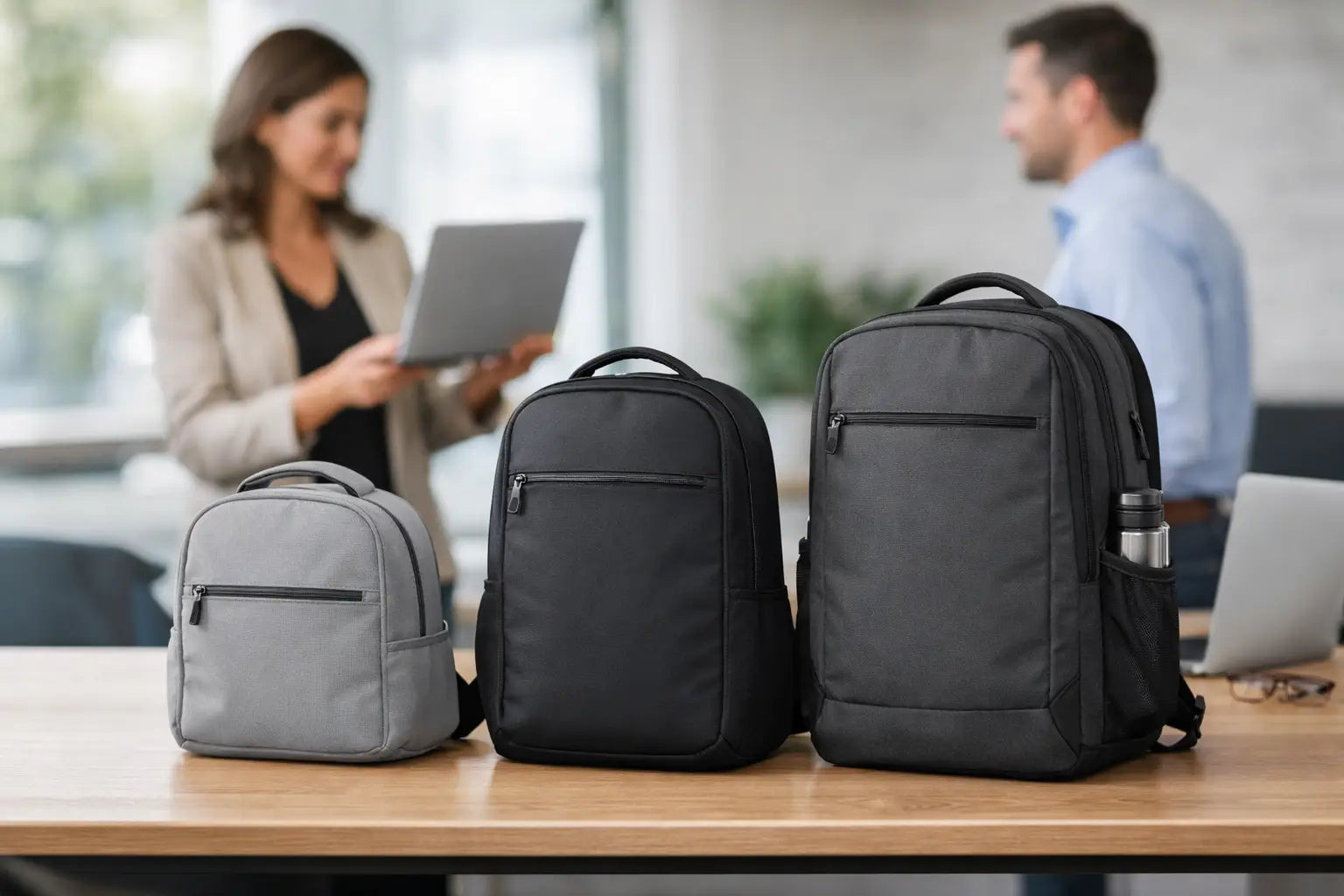
For a streamlined office commute, a backpack around 14 to 18 liters is often enough for a laptop, charger, phone, keys, wallet, slim water bottle, headphones, and a small notebook. This is the polished, close-to-the-body profile that pairs naturally with tailored trousers, a trench coat, or an elevated off-duty look.
If your days include a change of shoes, a packed lunch, larger headphones, documents, or gym essentials, look closer to 18 to 24 liters. This middle range offers noticeably more flexibility without losing its clean, city-ready shape. It is often the strongest choice for professionals who move from desk to dinner, train platform to meeting room, or school drop-off to the office.
A backpack in the 25- to 30-liter range is better suited to frequent business travel, longer commutes, or days when your bag must carry more than work essentials. It can accommodate a laptop alongside a light change of clothes, toiletries, and travel documents. The trade-off is visual volume: a larger bag needs thoughtful design and structured materials to retain a refined appearance when full.
Capacity figures are helpful, but they are not the entire story. Two backpacks with the same liter count can pack very differently. A wide, shallow bag may suit folders and a laptop beautifully, while a narrow, deep design may be better for clothing and bulkier items.
Build Around What You Carry Every Day
A useful test is to gather the items you carry on an average weekday and place them on a table. Include the unglamorous essentials, not just the laptop: its charger, cable pouch, water bottle, transit pass, sunglasses case, hand cream, portable battery, and whatever you reach for between morning and evening.
Then separate the items into two groups. The first is non-negotiable daily carry. The second is occasional carry, such as a gym outfit, camera, lunch container, or spare layer. Your backpack should fit the first group comfortably and make room for the second when your schedule demands it.
Do not shop for an imaginary version of your routine. A minimalist backpack can be beautifully sophisticated, but it will not feel luxurious if you are constantly forcing a sweater into it or carrying your lunch in a separate tote. Equally, choosing a large travel backpack for a laptop, charger, and wallet can make daily movement feel unnecessarily heavy.
Look Beyond Liters to Exterior Dimensions
Capacity tells you what may fit. Exterior dimensions tell you how the bag will wear.
For regular city use, consider the backpack's height against your torso. A bag that extends far below your lower back can overwhelm a smaller frame and become awkward on crowded trains or narrow café aisles. A compact to medium backpack generally looks most intentional when it sits high enough to feel balanced and close to the body.
Width matters as much as height. A very wide backpack can interfere with your arms and look bulky under a coat. Depth is where overpacking often reveals itself. A slim profile of roughly 4 to 6 inches works beautifully for a laptop-focused workday, while 6 to 8 inches gives more room for lunch, layers, or a change of clothes.
These are guidelines, not strict rules. Taller travelers, people with longer commutes, and anyone who relies on their backpack as a primary carry-on may prefer more capacity. The key is choosing a shape that matches your proportions and your movement rather than simply choosing the largest option.
Prioritize Organization Over Empty Space
A bigger backpack is not automatically a better organized one. In fact, a single oversized compartment can turn a carefully chosen bag into a daily search party.
Look for a dedicated padded laptop section, ideally with an easy-access zipper that does not require unpacking the main compartment. A separate area for chargers and smaller tech keeps cables from scratching your device or tangling with everything else. Interior pockets should support your routine without becoming so numerous that they waste usable space.
For travel, a luggage pass-through and a discreet document pocket add genuine value. For everyday use, quick access to your phone, keys, and transit card can make a busy commute feel far more composed. The finest organization is subtle: everything has a place, yet the bag still feels clean, spacious, and easy to use.
Check Fit Before You Commit
Backpack dimensions can be correct on paper and still miss the mark on your body. Adjustable shoulder straps are essential, but strap placement and padding deserve equal attention. The bag should rest close to your back, with the weight distributed across both shoulders rather than pulling backward from the top.
If you carry a laptop every day, avoid narrow straps that dig in when the bag is full. Light padding provides comfort, while a structured back panel helps the backpack hold its elegant shape. For warmer climates or longer walks, breathable backing can make a noticeable difference.
Try to picture the bag in the outfits you actually wear. A sleek backpack should complement a blazer, knitwear, denim, and travel layers without looking out of place. Neutral, refined finishes and thoughtful hardware help a functional piece feel like part of a curated wardrobe rather than an afterthought.
Choose Differently for Work, Travel, and the Gym
One backpack does not need to do every job equally well. If your priority is a daily office bag, choose a slimmer silhouette with strong laptop protection and refined organization. It will look sharper and feel lighter than a larger multi-day design.
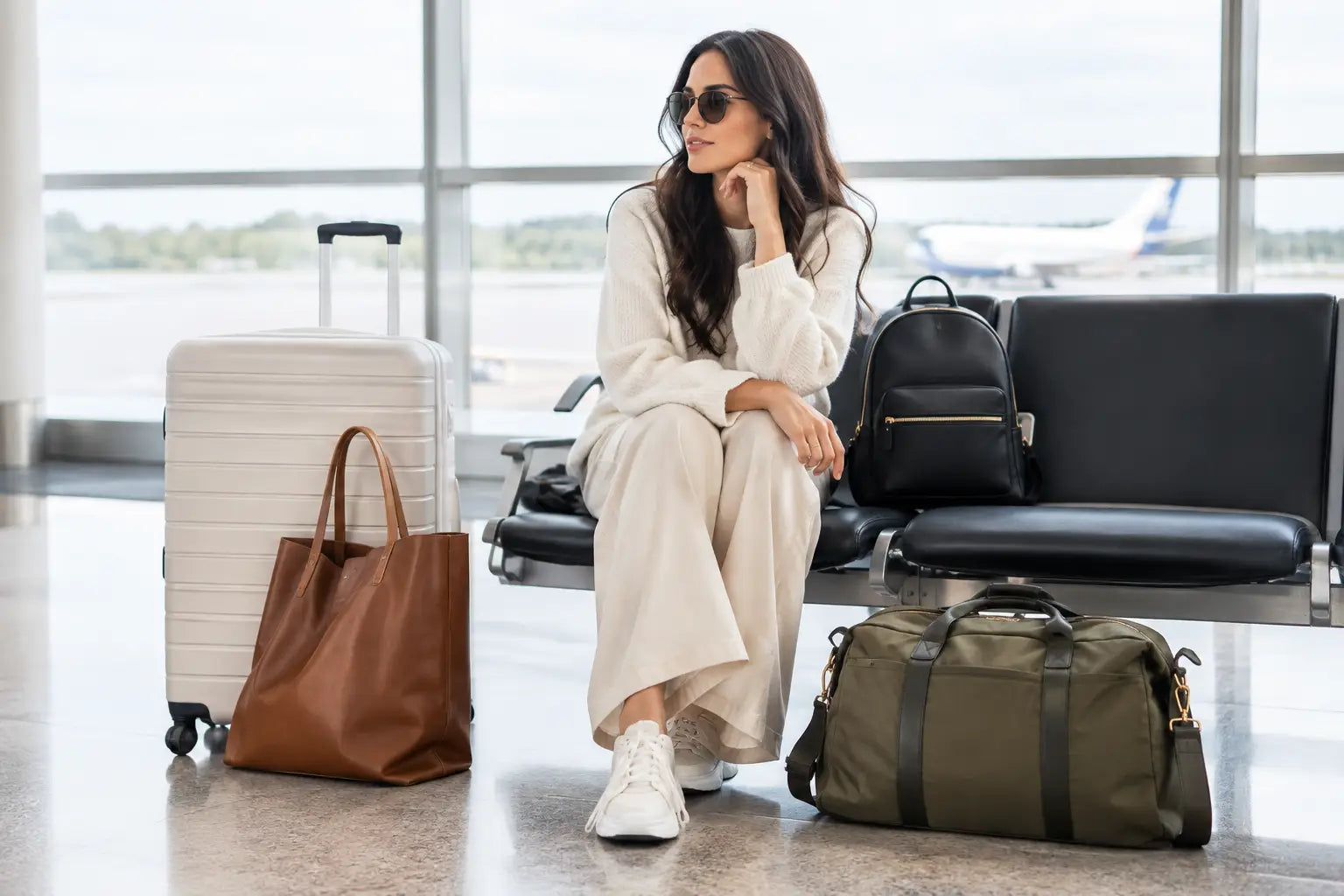
For frequent flights, slightly more capacity is worth considering. You may need room for travel documents, headphones, an extra layer, snacks, and a compact toiletry pouch. A structured 20- to 28-liter backpack can be an excellent personal-item companion, provided its exterior dimensions align with the airlines you use most often.
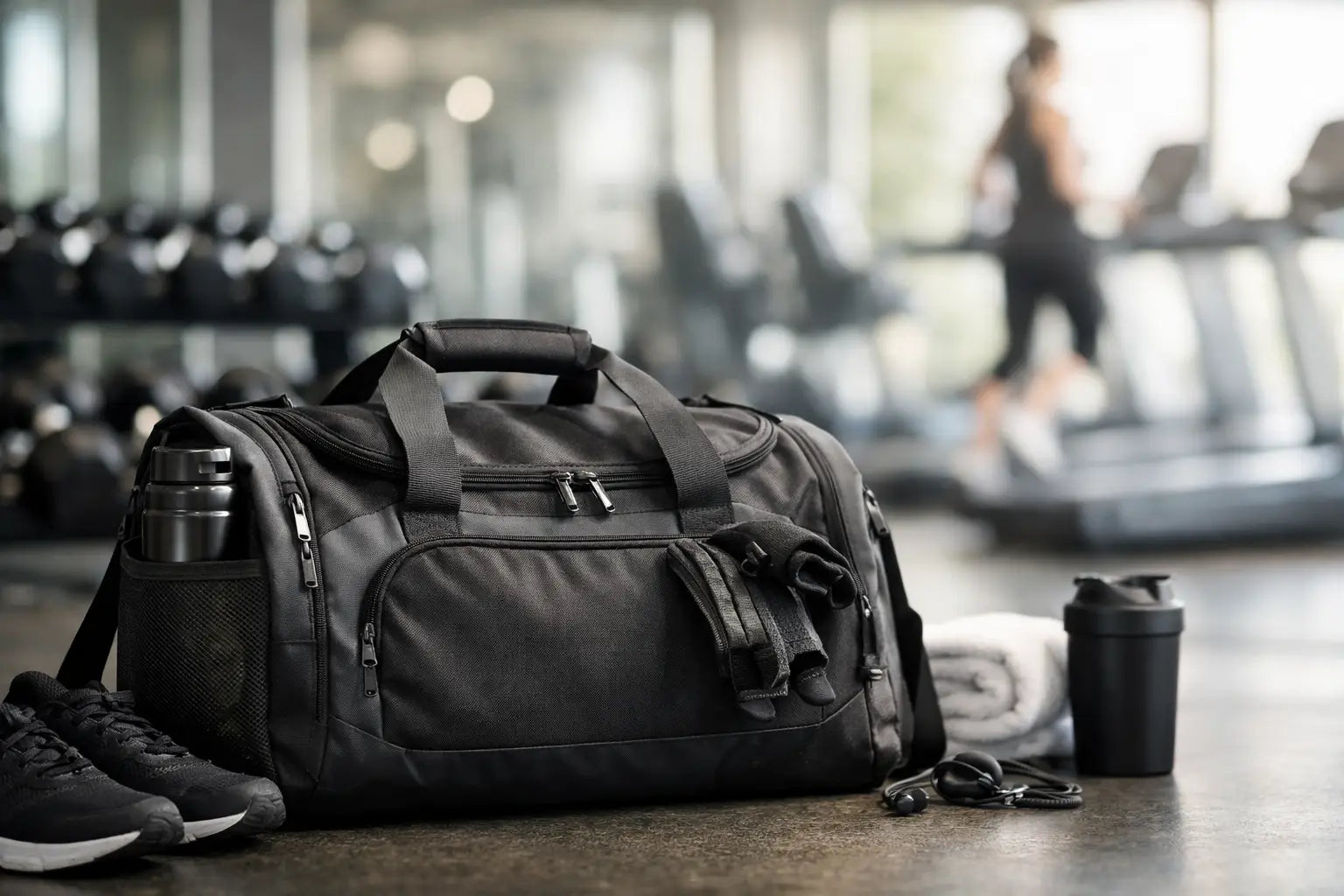
For work-to-workout days, consider whether your shoes and activewear need their own section. A backpack that holds a laptop next to damp gym clothing is not ideal, no matter how stylish it looks. Separate compartments preserve both organization and the sense of polished practicality you want from an everyday luxury piece.
The Right Size Should Feel Effortless
The best laptop backpack does not announce how much it carries. It moves from commute to conference room, airport to hotel lobby, with the same quiet confidence as the rest of your look. Measure your device, be honest about your daily essentials, and choose a capacity that gives you room to move without carrying more than your life requires.